Choosing the best packaging for your product can seem daunting, as there are many points to factor in, including materials, protection, price point, and packaging design. The good news is that it isn’t just guesswork- the experts have it down to a science. But what is packaging science all about? Folene Packaging’s team explores how packaging science can help you package your products better.
Introduction to Packaging Science
Packaging science is a dynamic industry that sits at the crossroads of engineering technology, materials science, and business. Packaging professionals synthesize these diverse knowledge bases and skillsets to design ideal packaging to both protect and display products. Packaging science programs blend biology, chemistry, physics, graphics, and marketing principles to give their graduates the tools to create strong, high-performing, and sustainable packaging solutions.

Packaging science students study packaging systems, packaging design, and food packaging strategies, such as MAP packaging, to develop a comprehensive understanding of the packaging field status quo. This deep understanding becomes the basis for innovation and problem-solving, as packaging professionals apply their knowledge to bridge gaps and smooth kinks they find in current packaging designs, materials, and operations. As packaging intersects with every product industry, packaging science professionals work in a variety of industries, including food and beverage, consumer goods, pharmaceuticals, and electronics, to develop packaging solutions that meet the needs of both companies and consumers.
Developing Science-Based Packaging Systems
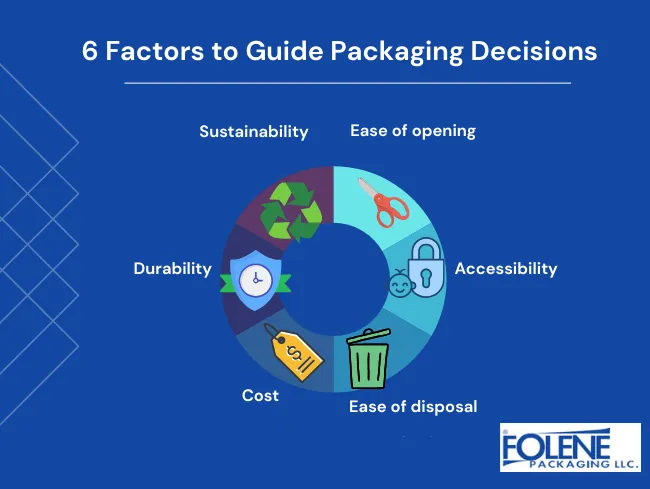
Packaging scientists integrate packaging design, materials science, and engineering technology to create efficient and effective packaging systems that meet the product requirements. To begin, the packaging engineers consider all aspects of the packaging requirements, including manufacturing, distribution, storage, and marketing, to ensure product quality and safety. They ask questions like
What is the primary purpose of the packaging? Is it for protection, aesthetics, or both?
How is the product ideally displayed? Would flexible or rigid packaging serve the product best?
What type of materials are utilized in the current packaging? Do those materials perform well for the product requirements?
Is the product currently overpackaged? Would minimizing packaging save on costs without compromising on function?
How can the product be packaged more sustainably?
The scientists uses the answers to these questions to develop a packaging system that works hard to protect and present the product while being gentle on the environment. Science-based packaging systems play a critical role in maintaining product quality and extending shelf life, which is integral in perishable industries like food and beverage.
The next stage in the packaging design process is rigorous packaging testing to ensure that the packaging meets the standards for strength, durability, product protection, and food safety. Objective testing can uncover weaknesses in the packaging that the packaging scientist can tweak the materials, process, or other factors to resolve, ensuring that the end product is strong, durable, and aesthetic and meets the packaging requirements. Companies rely on robust packaging systems to protect their products, gain a competitive advantage in the market, and address environmental challenges, making science-based packaging more essential now than ever before.

Developing Sustainable Packaging with Science
The packaging industry as a whole is quickly shifting towards sustainable packaging, with companies recognizing the importance of neutralizing their environmental and plastic footprints. Packaging scientists often work closely with research and development teams along with Chief Sustainability Officers to create science-based packaging that is more sustainable to help companies achieve these goals. With a focus on the composition of packaging materials and exploring possible alternatives, packaging scientists emphasize reducing unnecessary packaging waste while minimizing environmental impact.
Packaging engineers work to design environmentally friendly packaging solutions, using materials and processes that are sustainable and recyclable, such as high PCR-content or biodegradable materials. Sustainable packaging solutions can help companies reduce costs, improve their brand image, and meet regulatory requirements.
Role of Packaging Engineers
Packaging engineers stand at the cutting edge of the packaging revolution, designing and developing the functional, viable, and sustainable packaging solutions of tomorrow that meet the needs of companies, consumers, and the environment. Packaging engineers integrate engineering principles, materials science, and business to create packaging solutions that are efficient, effective, and sustainable. Cutting edge equipment and technology, like computer-aided design (CAD) software and 3D printing, helps packing engineers design, test, and develop innovative packaging solutions.
Packaging engineers collaborate often with cross-functional teams, including research & development, manufacturing, and marketing, as packaging function and design touches on all of those areas. Packaging engineers are first and foremost problem-solvers, constantly working to help companies overcome packaging challenges and develop solutions that meet the packaging needs of the product and industry.
Materials Science
Materials science is a key part of packaging science, as understanding the properties and applications of various materials allows the scientist to select the ideal material and formulation for the particular packaging application. Packaging engineers use materials science to inform the packaging material selection and design process and choose packaging materials that meet the needs of companies and consumers.
The packaging industry uses a wide range of traditional materials, including paper, plastic, glass, and metal, each with its own unique properties and applications. Additionally, there are many more alternative material options becoming more readily available to the packaging industry, including materials formulated primarily from corn, mushroom, and seaweed. Materials science is essential for developing packaging solutions that are sustainable, recyclable, and environmentally friendly, as well as for ruling out materials as unsuitable for the packaging application. Packaging scientists use materials science principles to create innovative packaging solutions that work.
Packaging Science Industry Applications
The packaging industry has a wide range of applications, spanning the spectrum of tangible products, including food and beverages, consumer goods, pharmaceuticals, electronics and cosmetics. High-performance packaging solutions are necessary to help maintain product quality and safety, as well as to extend shelf life and prevent damage during transit. Furthermore, aesthetic, interesting, and well-marketed packaging is a crucial element in increasing shelf appeal and driving sales.
Packaging scientists assist companies in developing the right packaging combinations for their specific lines of products, from a fact-based position rather than relying upon guesswork. A large portion of their time is dedicated to designing, testing, and refining packaging solutions to meet the product’s packaging needs from a materials and requirements perspective. The packaging industry is constantly evolving, with new technologies and innovations emerging to meet the changing needs of companies and consumers. Packaging science is at the forefront of this wave of innovation, with constant experimenting, testing, refining, and reiterating to bring better quality and better-for-the-environment packaging materials and solutions to the table for companies to use.
Folene Packaging’s eco-friendly Ecolene line of shrink packaging film makes high-performance shrink films that are good for the environment available for companies to use. Our packaging scientists are constantly innovating to find the best eco-friendly packaging material solutions for a wide range of product packaging. Contact our packaging experts today to discover the right material for packaging your product.