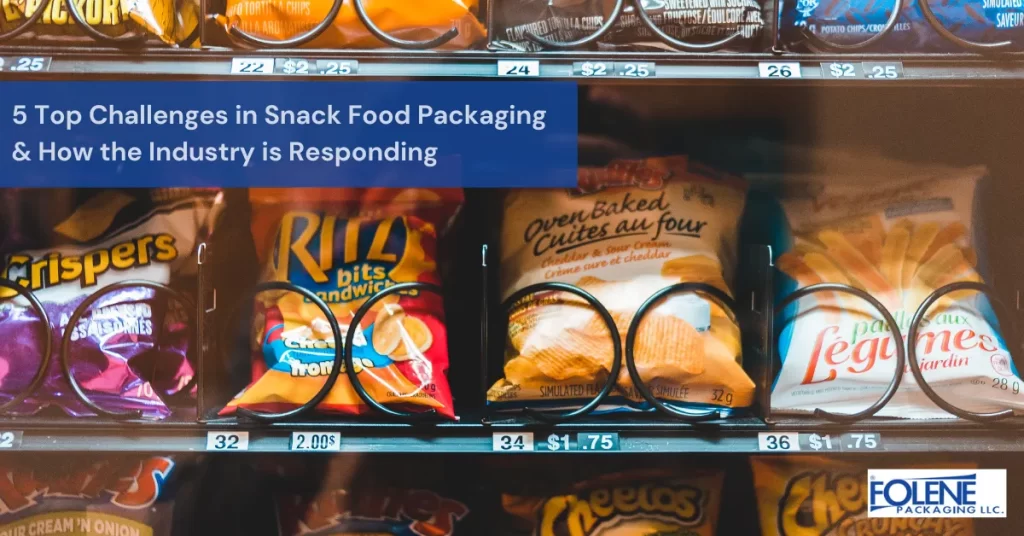
Snack food packaging plays a vital role in ensuring that products reach consumers fresh, appealing, and safe. However, the sector faces unique difficulties that require innovative solutions to remain competitive and meet evolving consumer demands. Below, we explore the top five challenges in snack food packaging, examine current solutions, and highlight emerging trends and technologies. We’ll also review packaging equipment and discuss the hurdles manufacturers encounter on the production line.
1. Maintaining Product Freshness and Shelf Life
The Challenge
Snack foods, especially delicate snacks, are highly susceptible to staleness, loss of flavor, and spoilage due to moisture, oxygen, and light exposure. Inadequate snack food packaging can lead to product waste, customer dissatisfaction, and increased costs for manufacturers and retailers.
Current Solutions
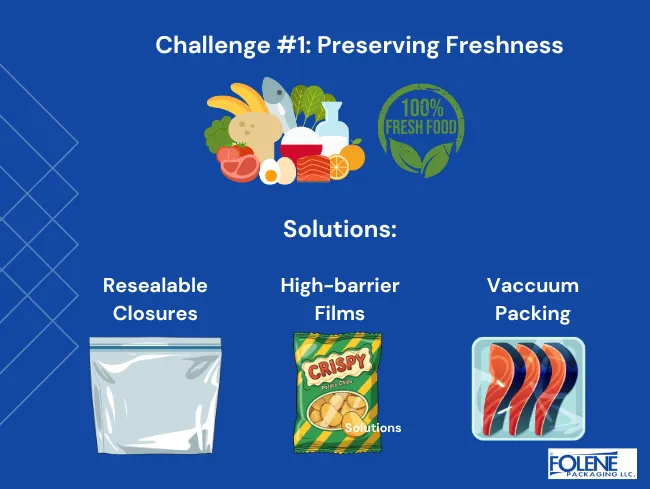
Multi-layered barrier films, vacuum sealing, nitrogen flushing, and MAP packaging are among the most widely adopted solutions for extending shelf life. These methods help to prevent oxygen and moisture infiltration, preserving the snack’s texture and flavor. Resealable closures are also increasingly popular, enabling consumers to maintain freshness after opening. Customizable features such as zippers, tear notches, and resealable seals can be incorporated to further enhance product protection, shelf life, and branding appeal. For example, the pouch is a popular packaging format for snacks, as it helps maintain freshness and supports efficient automated packaging processes. Potato chips are typically packaged in metallized polypropylene bags filled with nitrogen, which prevents oxidation and keeps chips crisp until consumption.
Emerging Trends
Active packaging: Incorporates oxygen scavengers or moisture absorbers directly inside the packaging. For example, beef jerky often uses oxygen absorbers in its packaging to preserve freshness and maintain product quality.
Edible coatings: Thin layers applied to snacks to enhance barrier properties. Innovative wrapping techniques are also being developed to improve product protection and visual appeal.
Smart packaging: Integration of sensors that indicate freshness or detect spoilage.
High Barrier Films, Pillow Bags, & Other Packaging Formats
High barrier films are increasingly utilized to package a wide variety of snack products, including chips, nuts, dried fruits, and granola. These advanced films offer exceptional protection against moisture and oxygen, which helps preserve the freshness of the snacks and significantly extends their shelf life. By maintaining product quality and preventing spoilage, high barrier films play a crucial role in ensuring that snack products reach consumers in optimal condition.
Pillow bags are widely used to package various snack products, including popcorn, candy, nuts, and pretzels, offering a convenient and attractive option for preserving freshness. In addition to pillow bags, other packaging formats like flexible stand up pouches and boxes provide unique and customizable packaging solutions that help snack brands stand out on retail shelves and preserve freshness.
2. Responding to Sustainability and Environmental Concerns
The Challenge
Consumers and regulators are demanding eco-friendly snack food packaging. Some companies are addressing this by using recycled materials, such as PET bottles, milk jugs, and other post-consumer recycled material to create more sustainable snack food packaging. Traditional plastics are often non-recyclable, contributing to landfill waste and environmental harm.
Current Solutions
Brands are adopting recyclable mono-material films, compostable packaging made from plant-based polymers, and paper-based options. Flexible packaging offers both sustainability and customization benefits for snack food packaging, providing adaptable solutions that enhance product protection and shelf appeal. Some companies have launched return-to-store recycling programs to ensure proper disposal.
Example
Lays launched compostable chip bags in select markets, using plant-based materials that break down in industrial composting facilities.
Emerging Trends
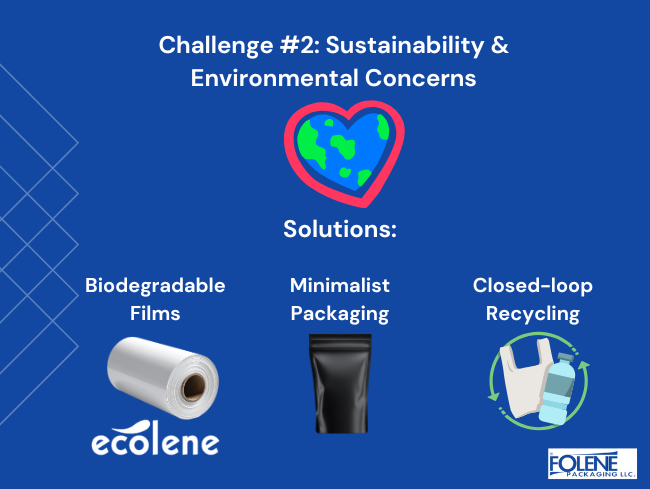
Biodegradable films: New materials that degrade more readily and safely into the environment, such as Ecolene AP-XEC 100% biodegradable film.
Minimalist packaging: Reducing material usage without compromising functionality.
Closed-loop recycling: Collecting and reprocessing used packaging into new materials.
3. Managing Costs Without Compromising Quality
The Challenge
Snack food packaging is a significant contributor to the overall cost of goods. In a highly competitive market for snack food packaging, companies must respond to market demands for cost-effective and scalable solutions to remain competitive. Fluctuating raw material prices, especially for plastics and paper, can squeeze profit margins. Ensuring production efficiency is also key, as are optimizing floor space and other operational considerations, when developing scalable packaging solutions.
Current Solutions
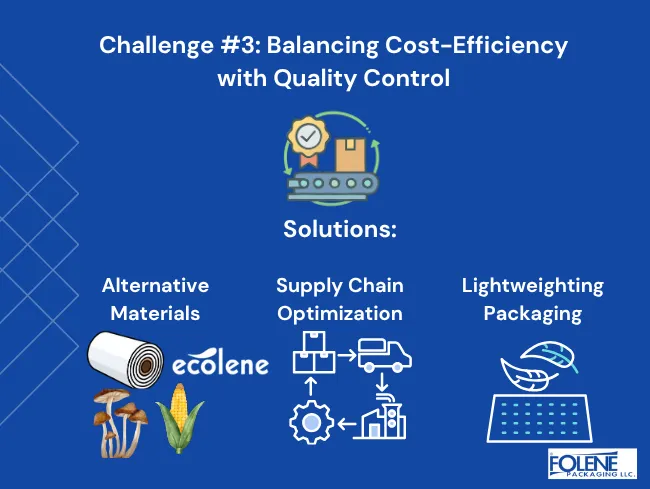
Lightweighting packaging—using less material while retaining integrity—is a common approach. Automation in packaging lines reduces labor costs and increases efficiency, with key benefits including consistent product quality, improved production speed, and cost savings. Automated filling processes further enhance production efficiency by ensuring accurate portioning and seamless integration with weighing, sealing, and labeling steps. Some brands opt for digital printing, which enables smaller runs and faster design changes without incurring expensive setup fees, thereby saving time and money. Many energy bar companies often opt for flexible pouches that reduce packaging weight compared to traditional boxes.
Emerging Trends
Alternative materials: Exploring less expensive, abundant resources like mushroom-based packaging, as brands work to create new, cost-effective packaging solutions.
Collaborative sourcing: Brands pooling purchasing power to negotiate lower prices.
AI-driven supply chain optimization: Forecasting demand and managing inventory to reduce waste.
Packaging Line Optimization
Packaging line optimization is essential for enhancing efficiency and reducing waste in snack food packaging operations by streamlining the entire packaging process. Modern snack food packaging machines are increasingly designed with flexibility in mind, enabling them to accommodate various packaging formats and materials that meet diverse product needs.
Bagging is a critical step in the packaging process, with advanced machinery ensuring sealing integrity, efficiency, and versatile bag styles to enhance product freshness and shelf appeal.
Advanced sealing technologies, including heat sealing, play a crucial role in ensuring secure, reliable packaging that maintains product integrity and freshness throughout the supply chain. Together, these innovations contribute to streamlined packaging processes that support both operational performance and product quality, with snack packaging machines specifically designed to optimize the entire packaging process from bagging to sealing.
4. Balancing Convenience and User Experience with Functionality
The Challenge
Modern consumers expect snack food packaging to be easy to open, resealable, and portable, allowing for convenient consumption on the go. Packaging must meet the needs and preferences of customers, who increasingly demand solutions that offer both convenience and product safety. Poorly designed packaging can result in product spills or damage, negatively impacting the user experience.
Current Solutions
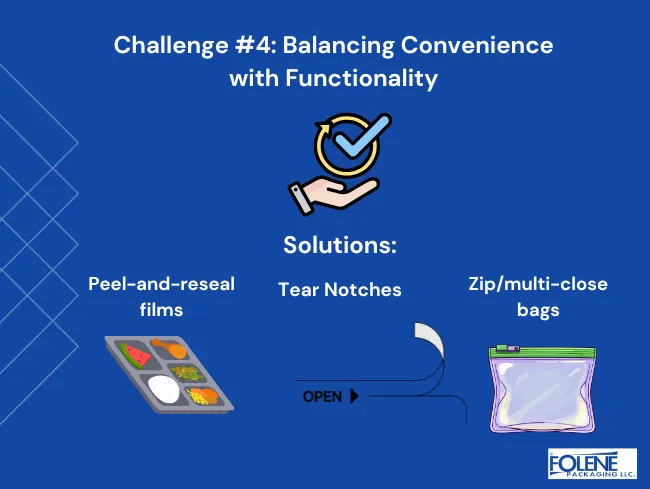
Zipper closures, tear notches, and single-serve portion packs are now common in the snack food industry. Packaging ergonomics are carefully considered to ensure ease of handling and portability. Unitizing multiple snacks into multipacks or multiple types of snacks into variety packs with shrink film enhances the customer’s shopping convenience and encourages bulk purchase. A wide variety of packaging options are available to further enhance convenience and meet different customer needs. For example, trail mix brands frequently use stand-up pouches with resealable zippers for on-the-go snacking.
Emerging Trends
Peel-and-reseal films: Allowing multiple openings without loss of seal integrity.
Personalized packaging: Using digital printing for limited-edition or customized packs, with brands increasingly offering customized solutions to meet individual consumer preferences.
Interactive packaging: QR codes and AR experiences for consumer engagement.
5. Standing Out with Brand Differentiation and Shelf Impact
The Challenge
The snack aisle is crowded, making it difficult for brands to capture attention, so packaging must reinforce brand identity through distinctive design elements. Snack food packaging must not only protect the product but also communicate brand values, with effective branding in packaging design playing a crucial role, and comply with regulatory requirements. Packaging also helps establish a strong snack brand in the marketplace by enhancing recognition and consumer appeal.
Current Solutions
Vivid graphics, unique structural designs, and clear labeling are standard strategies. Windowed pouches allow consumers to see the product, increasing purchase confidence. Granola bars, for example, often use specialized packaging to ensure freshness and maximize shelf appeal. Compliance with food labeling regulations ensures consumer trust and avoids penalties. For example, Pringles uses its signature cylindrical canister, which is instantly recognizable and offers superior product protection.
Emerging Trends
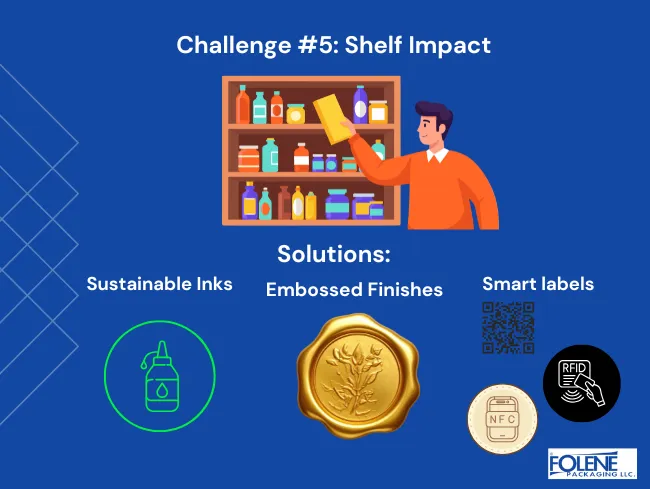
Eco-friendly inks: Vegetable-based and water-based inks for safer, sustainable printing.
Tactile finishes: Soft-touch coatings and embossing for a premium feel, with durability also a key consideration for premium snack packaging.
Smart labels: RFID or NFC tags for traceability and consumer information.
Snack Food Packaging Equipment: Pros, Cons, and Common Challenges
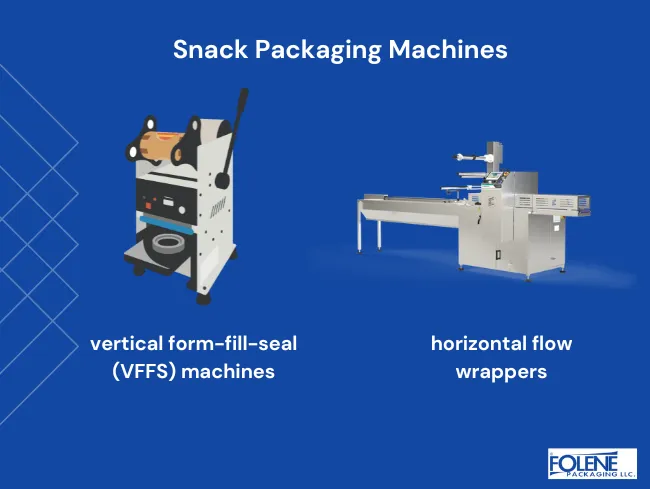
Snack food packaging equipment is the backbone of efficient production. Common machines include vertical form-fill-seal (VFFS) machines, horizontal flow wrappers, and multi-head weighers.
Pros
High speed and efficiency: Modern equipment, including cutting-edge packaging machines, can package thousands of units per hour.
Consistency: Automated systems ensure uniform fill weights and seal quality.
Versatility: Many machines can handle a range of snack types and bag formats.
Cons
High upfront costs: Advanced machinery requires significant investment.
Downtime and maintenance: Complex systems may need regular maintenance, causing production delays.
Changeover time: Switching between different snack food packaging formats can be time-consuming.
Challenges for Manufacturers
Adapting to new materials: Eco-friendly films and unique package shapes may require equipment upgrades.
Labor shortages: Skilled operators are needed for optimal machine performance.
Regulatory compliance: Ensuring equipment meets hygiene and safety standards can be burdensome, and the risk of non-compliance can lead to operational disruptions or costly penalties.
Conclusion
Snack food packaging is a dynamic, rapidly evolving field. By understanding and addressing the top challenges—freshness, sustainability, cost, convenience, and shelf impact—brands can better meet consumer needs and thrive in a competitive marketplace. Emerging technologies and equipment advancements continue to shape the future of snack food packaging, offering new opportunities for innovation and growth.