Top Smart Packaging Solutions: Enhancing Efficiency and Sustainability
Introduction to Intelligent Packaging
Smart packaging solutions integrate innovative technology to enhance product packaging and customer experience, playing a key role in the evolving packaging industry. Intelligent packaging, which encompasses both active and intelligent packaging technologies, aims to improve packaging functionality by extending the product’s shelf life and reducing waste.
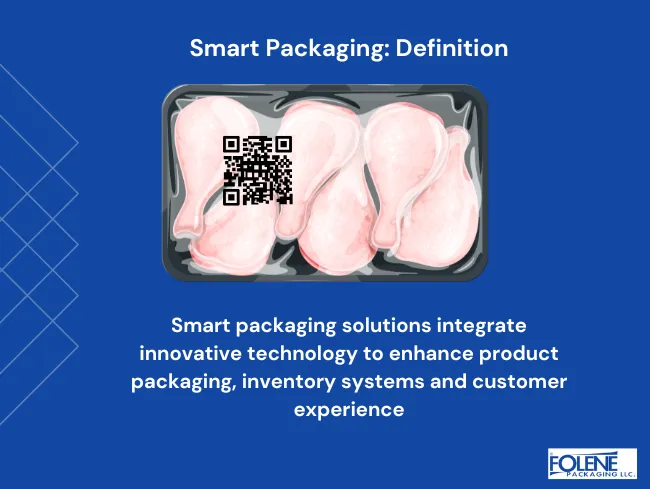
The smart packaging market is driven by the demand for efficient and sustainable packaging solutions that transform how companies approach product packaging. These smart packaging technologies and intelligent packaging solutions offer numerous benefits, including improved food safety, enhanced product quality, and increased efficiency. As the packaging industry continues to innovate, smart packaging is becoming essential for businesses seeking to meet consumer expectations, reduce environmental impact, and optimize supply chain management.
Types of Packaging
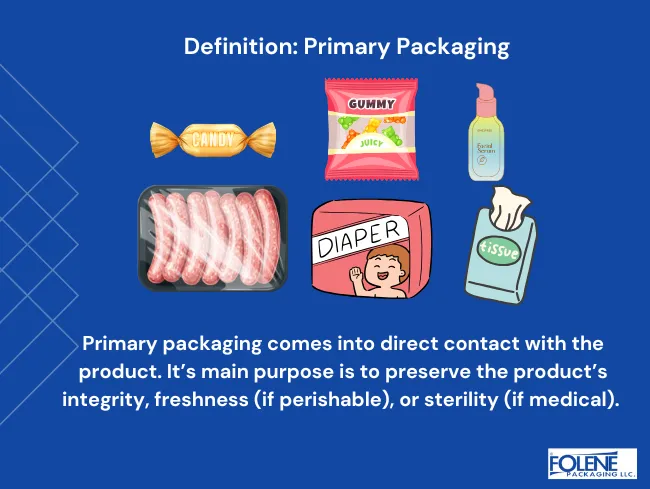
Active packaging interacts directly with the product to extend its shelf life by utilizing materials such as oxygen absorbers and antimicrobial coatings, while intelligent packaging communicates externally through sensors and indicators like time-temperature indicators and RFID tags to monitor the product’s condition. Modified atmosphere packaging, a type of active packaging, controls the atmosphere surrounding the product to further prolong its shelf life. Together, these smart packaging solutions offer numerous benefits, including improved food safety, reduced food waste, enhanced product authentication, and increased efficiency in packaging processes, ultimately contributing to better quality control and a more sustainable packaging industry.
Packaging Materials
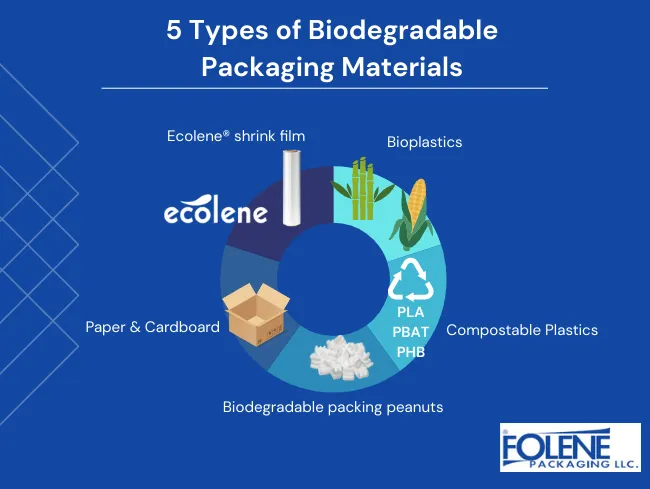
Biodegradable materials, such as compostable plastics and edible films, are increasingly used in smart packaging to reduce environmental impact. Additionally, antimicrobial packaging materials play a crucial role in extending the shelf life of food products by inhibiting the growth of microorganisms. Smart packaging solutions often incorporate sustainable materials like recycled plastics and paper-based packaging, which help minimize waste and further lessen the ecological footprint. By integrating these innovative packaging materials, smart packaging not only enhances product preservation and safety but also contributes significantly to reducing waste and promoting sustainability within the packaging industry.
Benefits of Smart Packaging
Smart packaging refers to the use of innovative technology to improve packaging functionality and extend the product’s shelf life. These technologies offer many benefits, including enhanced product quality, reduced waste, and increased efficiency in packaging processes. For example, smart packaging solutions such as RFID tags and QR codes provide consumers with instant access to relevant product information, enhancing transparency and customer engagement. Additionally, intelligent packaging solutions help authenticate products and prevent counterfeiting, ensuring product integrity and consumer safety. Together, these advancements contribute to a more efficient, secure, and user-friendly packaging experience.
Environmental Impact of Packaging
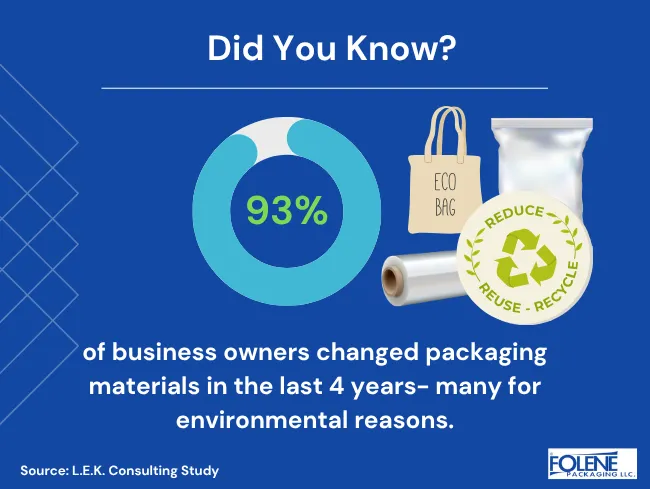
The packaging industry has a significant environmental impact, generating millions of tons of waste each year. Smart packaging solutions play a vital role in addressing this issue by utilizing biodegradable and compostable materials, minimizing packaging size, and optimizing supply chain management to reduce waste. Sustainable packaging is a key focus within smart packaging, aimed at conserving resources and minimizing environmental harm. Additionally, extending the product’s shelf life through technologies such as antimicrobial coatings and oxygen absorbers helps to reduce food waste, further lessening the overall environmental footprint of packaging. Together, these innovations contribute to a more sustainable and efficient packaging industry that benefits both businesses and consumers.
Packaging Systems and Technology
Smart packaging systems often incorporate innovative technologies such as RFID tags, QR codes, and augmented reality to provide consumers with interactive and engaging experiences. Packaging technology plays a crucial role in extending product shelf life through the use of oxygen absorbers, antimicrobial coatings, and modified atmosphere packaging. Additionally, intelligent packaging technologies like time-temperature indicators and freshness sensors monitor product quality and freshness in real time. The integration of wireless communication and real-time data further optimizes supply chain management, helping to reduce waste and improve overall efficiency.
Predictive Planning in Packaging
Predictive planning is a key aspect of smart packaging, leveraging data analytics and machine learning to anticipate consumer behavior and optimize packaging design. Technologies such as RFID tags and QR codes play a crucial role in tracking consumer interactions, providing valuable insights into packaging preferences. Intelligent packaging solutions also contribute by predicting and preventing packaging failures, thereby reducing waste and enhancing product quality. Furthermore, the integration of real-time data and analytics enables more efficient supply chain management, helping to minimize waste and improve overall operational efficiency.
Brand Transparency through Packaging
Brand transparency is a key aspect of smart packaging, achieved through the use of QR codes and RFID tags that provide consumers with instant access to detailed product information. Intelligent packaging solutions enhance this transparency by offering relevant data such as ingredients, nutrition facts, and cooking instructions, helping consumers make informed choices. Additionally, the integration of augmented reality and interactive packaging creates engaging experiences that foster brand loyalty. Leveraging data analytics and machine learning further optimizes packaging design and strengthens brand transparency, ensuring that companies can meet consumer expectations while enhancing their overall packaging strategy.
Future of Packaging
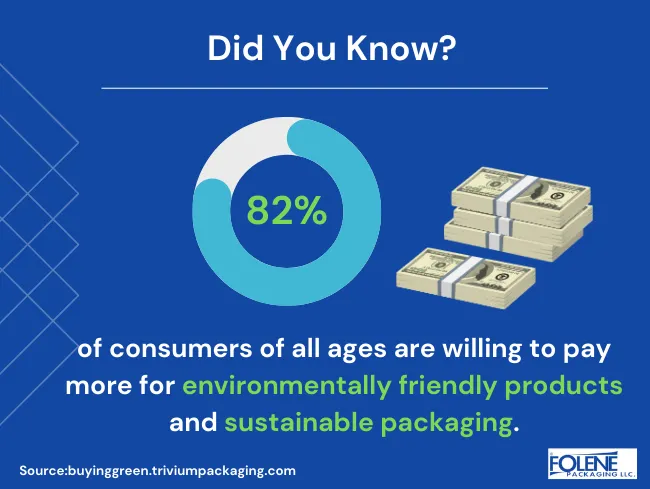
The future of packaging is undeniably smart, driven by the integration of innovative technologies designed to enhance packaging functionality and extend product shelf life. Intelligent packaging solutions will increasingly play a pivotal role in the packaging industry, emphasizing sustainability, efficiency, and an improved consumer experience. Technologies such as RFID tags, QR codes, and augmented reality are expected to become more widespread, offering consumers interactive experiences and instant access to relevant product information. As the packaging industry evolves, the focus will remain on advancing smart packaging technologies and adopting innovative materials that support environmental sustainability and meet the dynamic needs of both businesses and consumers.
Challenges in the Packaging Industry
The packaging industry faces several significant challenges, including the need for greater sustainability, improved efficiency, and enhanced consumer experience. Smart packaging solutions play a crucial role in addressing these issues by focusing on reducing waste, improving product quality, and increasing operational efficiency. To keep pace with evolving consumer preferences and rapid technological advancements, the packaging industry must prioritize innovation and sustainability. Leveraging data analytics and machine learning further enables the optimization of packaging design and streamlines supply chain management, ensuring that packaging not only meets market demands but also contributes to a more sustainable and efficient future.
Adoption of Smart Packaging
The adoption of smart packaging solutions is rapidly increasing as businesses focus on enhancing packaging functionality and extending product shelf life. Intelligent packaging technologies, including RFID tags and QR codes, are becoming more prevalent, offering consumers instant access to interactive experiences and detailed product information. Sustainable packaging materials and innovative designs are also gaining importance, aiming to reduce waste and minimize environmental impact. To keep pace with evolving consumer preferences and technological advancements, the packaging industry must continue to innovate and adapt.
Companies are investing in new packaging innovations that actively interact with both products and consumers. This includes integrating smart labels embedded with RFID chips and NFC tags, enabling consumers to easily scan packages and access personalized content, relevant product details, and insights into the product’s journey from production to shelf. These technologies not only enhance the consumer experience but also improve inventory management and supply chain transparency.
Additionally, the use of active packaging components such as oxygen scavengers and antimicrobial properties helps further extend the product’s shelf life by protecting against spoilage and contamination. This combined approach of active and intelligent packaging represents the primary types of smart packaging driving the future of the packaging industry. By embracing these advancements, businesses can offer more sustainable packaging solutions while meeting consumer demands for quality, safety, and interactive engagement. Ultimately, the continued adoption of smart packaging solutions promises to revolutionize how consumer goods are presented, tracked, and preserved throughout their product lines.