Biochemists at the Wallace Lab of the University of Edinburgh have discovered a new way to turn PET plastic waste into the active ingredient in paracetamol (equivalent of acetaminophen in the USA). This groundbreaking discovery opens doors to a new realm of possibilities in plastic sustainability. Folene Packaging breaks down this discovery and what it means for the sustainable future.
Introduction to the Problem
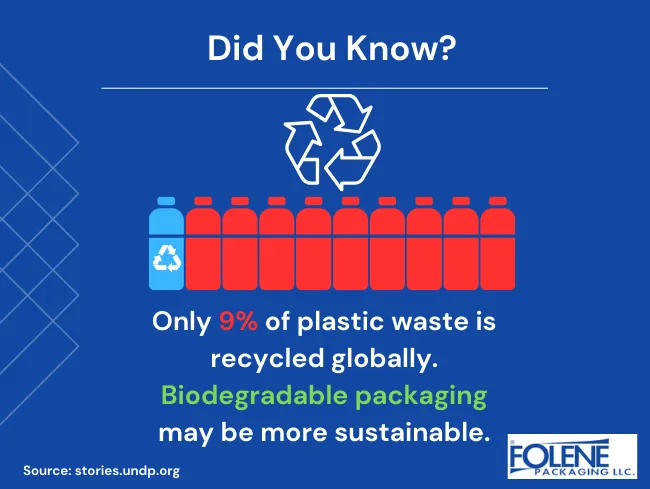
The world is grappling with an unprecedented plastic waste crisis. Each year, more than 380 million tons of plastic are produced, yet only about 9% is recycled, leaving the vast majority to accumulate in landfills, oceans, and natural systems. Plastic packaging, in particular, is a major driver of this problem, contributing significantly to plastic pollution and the environmental impact of the plastics industry.
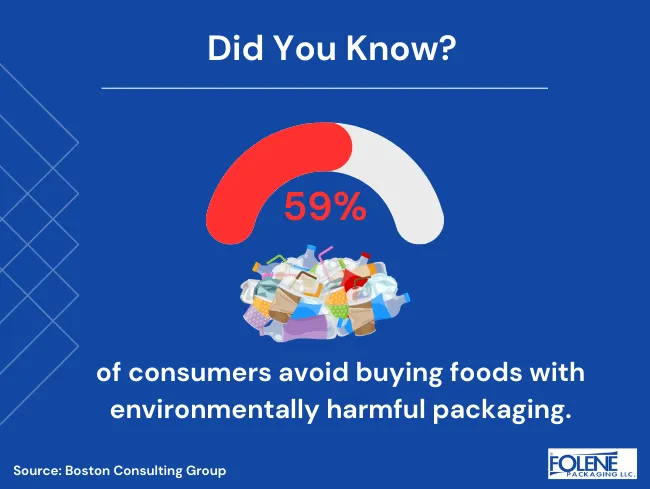
As plastic waste piles up, it not only threatens wildlife and ecosystems but also leads to increased greenhouse gas emissions throughout its lifecycle. To tackle this challenge, the industry must embrace a circular economy—one that prioritizes reducing plastic waste, boosting recycling rates, and maximizing the use of recycled materials. By shifting towards this sustainable model, we can significantly reduce greenhouse gas emissions, prevent plastic pollution, and create a positive impact on both the environment and future generations.
The Impact on the Environment
Plastic pollution has far-reaching consequences for the environment. Every year, millions of tons of plastic waste end up in oceans and landfills, where they persist for centuries, harming marine life and disrupting ecosystems. The production and disposal of plastic products are major sources of greenhouse gas emissions, fueling climate change and environmental degradation. Most plastics are made from raw materials derived from fossil fuels, further intensifying the climate crisis through energy-intensive extraction and processing.
To reverse these trends, it is essential to adopt more sustainable practices—reducing plastic waste, increasing recycling rates, and investing in renewable energy and resources. By making these changes, we can lower the environmental footprint of plastic production, conserve energy, and help restore balance to our planet’s natural systems.
Harnessing Nature to Reduce & Reuse Plastic Waste
Paracetamol, a non-prescription over-the-counter medication to treat minor aches and pains, is conventionally made with a majority of fossil fuels, using commercial processes that release thousands of tons of environmental waste annually. This is true of over 70% of the top 100 pharmaceutical drugs—they are made from unsustainable resources using fossil fuels.
The team of Edinburgh researchers, headed by Dr. Stephen Wallace, genetically modified the common bacterium E. Coli to process and break down terephthalic acid, derived from PET plastic waste. 90% of the resulting chemical product was the active ingredient in paracetamol medication. To add to this already groundbreaking discovery, the researchers were able to accomplish this chemical feat using a simple fermentation process at room temperature in just 24 hours with nearly zero carbon emissions. This breakthrough represents one of the latest innovations in the field of plastic sustainability.
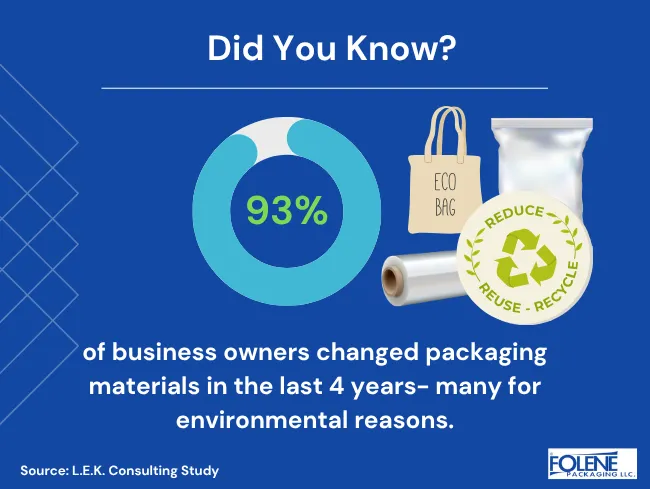
This industry-shaking technology introduces the possibility of turning mounds of plastic waste into useful, necessary, and even lifesaving products. As Dr. Wallace mentioned in his TedxVienna Talk, this groundbreaking field, dubbed Synthetic Biology, holds the potential for harnessing nature to produce many more items from waste products, not limited to pharmaceuticals. Other industries, such as textiles, electronics, and manufacturing, could also benefit from similar innovations in plastic sustainability, improving efficiency and sustainability across these industries. Synthetic biology could enable the creation of new products from recycled plastic waste, with an emphasis on designing these products with their end of life in mind to facilitate recycling and reduce environmental impact.
Textiles and clothing, another industry that is currently a major contributor to pollution and global warming, could radically change with use of Synthetic Biology to produce fabrics without fossil fuels. While there is still a way to go until this discovery can be used to produce medications at a commercial level, the future of net zero pharmaceutical production and perhaps even plastic-negative manufacturing is well within sight.
See Dr. Wallace’s TedxVienna Talk here.
How Folene Packaging’s Ecolene Shrink Films Support Plastic Sustainability
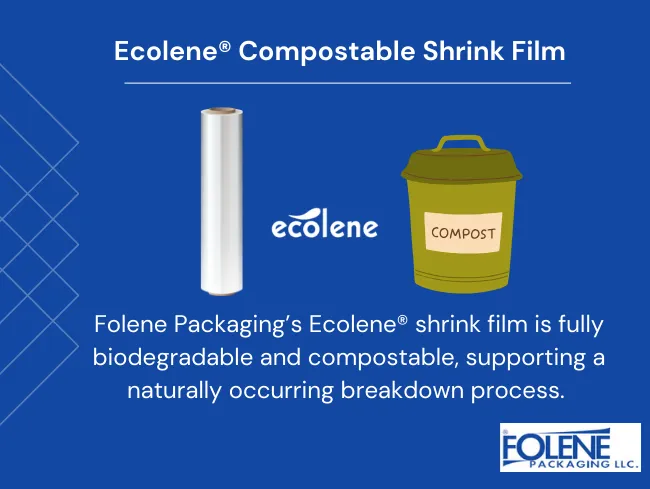
Similar to the Wallace Lab’s discovery, Folene Packaging has developed a unique Ecolene® line of shrink films that use already existing natural processes to support plastic sustainability and circularity. Their Ecolene® AP-XEC film is designed with advanced technology that encourages naturally occurring microbes found in water, soil, and landfills to biodegrade the plastic effectively. These films can be used for a variety of containers, including bottles and food packaging, supporting the transition to more sustainable alternatives and offering sustainable alternatives for packaging needs.
The additives in Ecolene® AP-XEC films promote the formation of biofilms by natural microorganisms on the surface of the polyolefin films. These biofilms then facilitate the microbial consumption and breakdown of the plastic material. Unlike some competing biodegradable plastics that fragment into microplastics, Ecolene® AP-XEC fully biodegrades into harmless biomass and humus, ensuring it does not contribute to plastic pollution.
Ecolene® AP-XEC films are made with recycled content and can be part of recycled packaging solutions, reducing reliance on virgin plastic and supporting a circular supply chain. This process supports environmental sustainability by returning materials safely back to natural systems, reducing packaging waste, and minimizing the environmental footprint of plastic products.
By harnessing these natural biodegradation pathways, Folene Packaging’s Ecolene® line offers a more sustainable alternative to conventional plastics, aligning with the goals of a circular plastics economy and helping to prevent plastic pollution in ecosystems. Using lightweight, durable packaging like Ecolene® films is cost effective and reduces transportation emissions across the supply chain. Improving collection systems for packaging waste is crucial to increase recycling rates and prevent ocean plastic pollution.
While energy recovery is another waste management strategy, Ecolene® films are designed to be fully biodegradable, minimizing the need for incineration. This innovation exemplifies positive change in the plastics industry by providing durable, yet environmentally friendly packaging solutions that support the reduction of plastic waste, promote the responsible use of plastic, and offer sustainable products that reduce the environmental impact of plastic use and promote the use of renewable resources.
Improving Recycling
Boosting recycling rates is a key strategy in the fight against plastic waste and pollution. Advanced technologies like mechanical recycling and chemical recycling are making it possible to transform used plastics into high-quality recycled materials, supporting the development of a circular economy. By designing products and packaging with recyclability in mind, businesses can help increase recycling rates and reduce the amount of waste sent to landfills.
However, real progress requires collective action—consumers, businesses, and governments must all play a role in promoting recycling and reducing plastic pollution. Even small improvements can have a big impact: for example, increasing recycling rates by just 1% could prevent 1.5 million metric tons of plastic from entering our oceans over the next 20 years. By working together, we can significantly reduce plastic waste and create a cleaner, more sustainable world.
Conclusion and Future Directions
The plastics industry stands at a pivotal moment in addressing the global crisis of plastic pollution. Embracing a circular economy—where plastic waste is minimized, recycling rates are maximized, and recycled materials are prioritized—offers a path toward true environmental sustainability. Technological advancements, such as chemical recycling, will be essential for increasing recycling rates and closing the loop on plastic products.
But innovation alone is not enough; collective action from consumers, businesses, and governments is vital to tackling the climate crisis and reducing the environmental impact of plastics. As one company, we are committed to making a positive contribution by supporting sustainable practices and encouraging others to join us. Together, we can drive positive change, reduce plastic pollution, and build a more sustainable future for all. Contact us today to learn more about Ecolene® plastic sustainability in packaging can make your company more sustainable.