Meet the New Plastic Neutral Certification & What it means for your brand
Consumers are ever more conscious of the environmental impact of their go-to brands from beauty to sports drinks. An overwhelming majority of consumers prefer to spend more on a more sustainably packaged product over a similar item that is environmentally unfriendly. RePurpose global recently introduced new plastic neutral and plastic negative badges that are already appearing on packaging on consumer shelves. Folene Packaging discusses what it takes to be plastic neutral certified and the impact that can have for brands and consumers.
What Does it Mean to be Plastic Neutral?
The goal of plastic neutrality is to achieve a net zero plastic footprint by removing an equivalent amount of plastic waste from the environment as is used in the product. So a plastic waterbottle that takes 1 lb of plastic to produce and package will be plastic neutral if the company removes or pays for the removal of an equal 1 lb of plastic waste from the environment. This offsetting can be a combination of reducing plastic in production processes, increasing recycling and repurposing efforts, and removing waste plastic from the environment.
Repurpose Global is a leading organization that partners with companies to help them achieve plastic neutrality by funding the removal of low-value plastic waste from nature-bound plastic sources. This removal partnership serves to offset the company’s plastic output and reduces their net plastic footprint to zero, giving them a plastic neutral status. Nature’s Logic is one company who has partnered with Repurpose Global to offset their plastic output and achieve plastic neutral certification. While it is not yet a comprehensive solution, plastic neutral certification is an important step in the right direction towards addressing the global plastic crisis and reducing plastic pollution.
Measuring Plastic Footprint
A company must be aware of the size of its plastic footprint before investing in offsetting it and achieving plastic neutrality. To measure a company’s plastic footprint, the company must calculate the total amount of plastic used in its products, packaging, and supply chains across all of its products. Plastic footprint measurement takes into account the type and amount of plastic, as well as the waste generated throughout the product lifecycle.
Companies can use tools and methodologies provided by organizations like Repurpose Global to measure their plastic footprint and identify areas where they can shrink their use and footprint. This is important as accurate plastic consumption data is essential for setting viable plastic reduction targets and tracking progress towards plastic neutrality. Armed with this data, companies can develop more effective strategies to reduce plastic in their production processes and eventually achieve a net zero plastic footprint.

Benefits of Plastic Neutral Certification
Plastic neutral certification offers several key benefits for companies committed to sustainability.
It provides a competitive advantage by demonstrating a genuine commitment to reducing plastic pollution.
Certification builds trust with customers, investors, and environmental groups by offering a credible and transparent way to measure and manage plastic footprints.
Plastic neutral certified companies can differentiate themselves in the marketplace and attract consumers who prioritize eco-friendly products.
The certification framework encourages continuous improvement, helping companies to progressively reduce their plastic footprint and ultimately achieve a net zero plastic footprint.
By becoming plastic neutral certified, companies take responsibility and contribute meaningfully to addressing the global plastic crisis and promoting a circular economy.
The Role of Circular Economy in Achieving Net-Zero Plastic
A circular economy approach is essential for reducing plastic waste and achieving plastic neutrality. This approach involves designing products and packaging that are minimalist, restorative, and regenerative by design, minimizing waste and the continuous consumption of resources. Companies can adopt circular economy practices by creating products made for recyclability, reusability, and biodegradability, while also promoting recycling, composting, and reuse to reduce waste. These efforts on multiple fronts help minimize the amount of plastic that ends up in landfills and oceans. By embracing circular economy principles, companies can significantly reduce their plastic footprint and work towards achieving plastic neutrality.
Combatting Global Plastic Waste
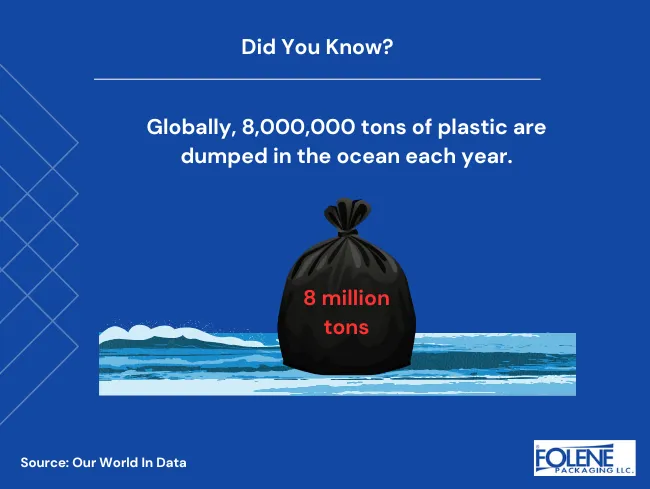
Plastic waste is a global environmental concern, as millions of tons of plastic are continuously dumped in our landfills and pollute our oceans. Companies can combat the global plastic waste problem by adopting plastic neutrality as a key sustainability goal and taking concrete steps to achieve it. This involves measuring and reducing their plastic footprint while actively offsetting their plastic use through partnerships with ocean litter removal services and plastic recovery initiatives that remove equivalent amounts of plastic waste from the environment. Additionally, companies can rethink their packaging materials by transitioning to more sustainable options, such as Folene Packaging’s Ecolone biodegradable film or shrink films with high post-consumer recycled (PCR) content. By embracing these practical strategies, companies not only reduce their environmental impact but also demonstrate corporate responsibility and contribute meaningfully towards solving the plastic pollution crisis.

Plastic Action and Removal
One practical way that companies can support plastic action and removal is by funding plastic waste collection and recycling projects to promote sustainable practices throughout their supply chains. Waste pickers actively remove plastic waste from the environment in projects like beach cleanups and track the amounts of waste they are removing. These amounts are converted into verified plastic removal credits which the company can use to offset their plastic footprint and achieve plastic neutrality. While not a complete solution, plastic removal is a critical step towards reducing plastic pollution and achieving net-zero plastic footprint.
Becoming Plastic Neutral
Becoming plastic neutral requires a commitment to reducing plastic waste and promoting sustainability throughout a company’s operations and supply chains. Companies can start by measuring their plastic footprint and identifying areas for reduction, with close internal monitoring of supplies and usage. If necessary, companies can use third party measuring and reporting tools to benchmark plastic usage and set goals towards reduction. Implementing sustainable practices, such as recycling and reusing PCR materials, can help companies reduce their plastic footprint. Furthermore, partnering with plastic removal organizations like Repurpose Global can provide companies with the framework and manpower needed to achieve plastic neutrality. Companies can contribute meaningfully to addressing the global plastic crisis by becoming plastic neutral, inspiring other companies to take corporate responsibility and encouraging eco-friendly consumers to buy from brands that care about the environment, too.
Next Steps for Plastic Neutral Companies
Striving for plastic neutrality is a critical step towards addressing the global plastic crisis and reducing plastic pollution. Companies, governments, and individuals must work together to promote sustainability, reduce plastic waste, and achieve net-zero sustainability goals. Future steps for plastic neutrality include continuously developing new technologies and practices to promote recycling, composting, and reusing products, and striving for plastic negativity.
Folene Packaging’s groundbreaking Ecolene line of biodegradable and PCR content films can help companies achieve plastic neutrality. By switching to plastics that biodegrade naturally and harmlessly into the environment, companies circumvent the need to offset their plastic footprint, as it becomes a self-managed process. Contact Folene Packaging today about our Ecolene shrink packaging films. By working together, we can create a more sustainable future and reduce the environmental impact of plastic production and waste.