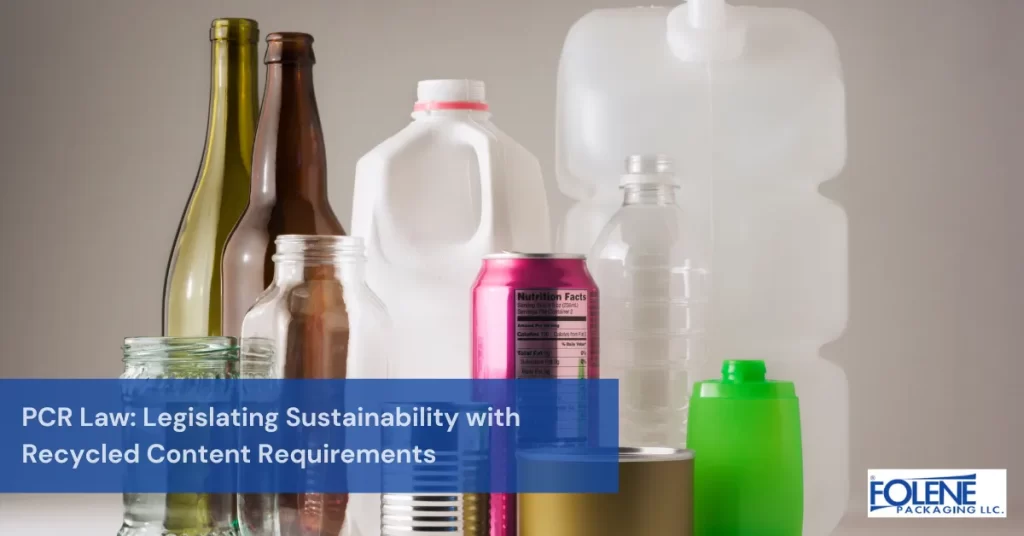
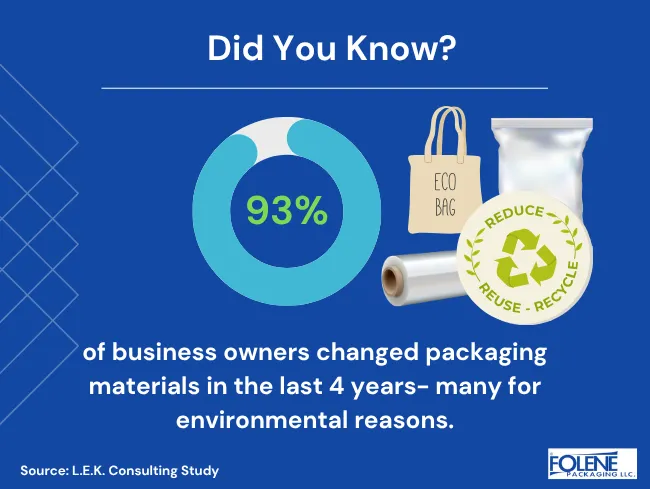
Environmental concern is a top-priority issue for many consumers and law-makers alike. A recent study by L.E.K. Consulting found that 93% of business owners made changes to their packaging materials over the past four years, with many citing using more sustainable materials as the impetus for the change. PCR laws aim to legislate these environment-saving measures across the board to increase post-consumer recycled content in plastic packaging products. Folene Packaging examines the current PCR laws’ reach, requirements, and impact for manufacturers.
What is PCR Law?
PCR law requires manufacturers to use at least the minimum amounts of post-consumer recycled content in the production of certain products, including outer plastic packaging, garbage bags, and other household items. These laws, which vary by product category and legal jurisdiction, are intended to promote circularity and environmental consciousness from product design and manufacturing stage throughout its useful lifecycle. Compliance with PCR law is crucial for businesses to avoid non-compliance penalties and ensure a sustainable future.
Only 5 US states have enacted PCR Law to date, similar to the emerging extended producer responsibility legislation. Nevertheless, these “early adopters” are trailblazing the path for more states to follow suit.
What is the Benefit of PCR Laws?
There are several significant benefits of concretizing recycled content requriements into PCR law. Here are some of the most significant benefits:
The PCR law promotes the use of recycled materials, such as recycled plastic, over virgin materials to conserve resources and reduce waste.
Support municipal recycling programs, which often find themselves overwhelmed and underequipped to deal effectively with complex recycling requirements.
To eliminate non-eco-friendly competitive incentives and stabilize the market in favor of eco-friendly practices
Create a robust PCR content end-market ripe for investment
PCR Law By State
Current US States with PCR Content Laws
Several US states have enacted laws requiring minimum percentages of post-consumer recycled (PCR) content in various plastic products. These laws aim to increase recycled content usage, reduce reliance on virgin plastic, and promote sustainability. Below is an overview of the key states with PCR content legislation, affected products, and their PCR percentage goals:
State | Bill | Affected Products | PCR Percentage Goal |
|---|---|---|---|
California | Beverage bottles (glass and plastics) | 2022: 15% 2025: 25% 2030: 50% | |
California | Plastic reusable grocery bags | 2016: 20% 2020: 40% | |
California | (since 1995) | Rigid plastic packaging containers | 25% (exemptions apply) |
California | (since 1998) | Trash bags | 10% |
Washington | SB 5022 | Plastic beverage bottles | 2023: 15% 2026: 25% 2031: 50% |
Washington | SB 5022 | Plastic wine containers (187 ml), Dairy milk containers | 2028: 15% 2031: 25% 2036: 50% |
Washington | SB 5022 | Plastic household cleaning & personal care products | 2025: 15% 2028: 25% 2031: 50% |
Washington | SB 5022 | Plastic trash bags | 2023: 10% 2025: 15% 2027: 20% |
Washington | ESSB 5323 | Reusable carryout bags | 2022: 40% |
New Jersey | S2515 | Plastic beverage containers | 2024: 15%, increase 5% every 3 years to 50% |
New Jersey | S2515 | All other rigid plastic containers (food exempt until 2027) | 2024: 10%, increase 10% every 3 years to 50% |
New Jersey | S2515 | Plastic carryout bags | 2024: 20% 2027: 40% |
New Jersey | S2515 | Plastic trash bags (varies by bag thickness) | 2024: 5-20% 2027: 10-40% |
Maine | LD 1467 | Plastic beverage containers | 2026: 25% 2031: 30% |
Connecticut | Plastic beverage containers | Reporting by end of 2023 2027: 25% 2032: 30% |
These laws are part of a broader movement combining recycled content requirements with extended producer responsibility (EPR) programs to enhance recycling collection and market stability. Manufacturers must stay informed about these evolving requirements to ensure compliance and support sustainability goals.
Minimum Requirements for Businesses
Depending on the product, manufacturers must meet certain minimum requirements of PCR content, particulalry in plastic products, including beverage containers and plastic trash bags. Generally, these minimum recycled content requirements range from 10% to 50% post-consumer recycled content. Businesses must annually report their post-consumer recycled content percentages to ensure compliance with the law, which helps to stabilize recycling markets.
How Folene Packaging Can Help You Meet PCR Law Requirements
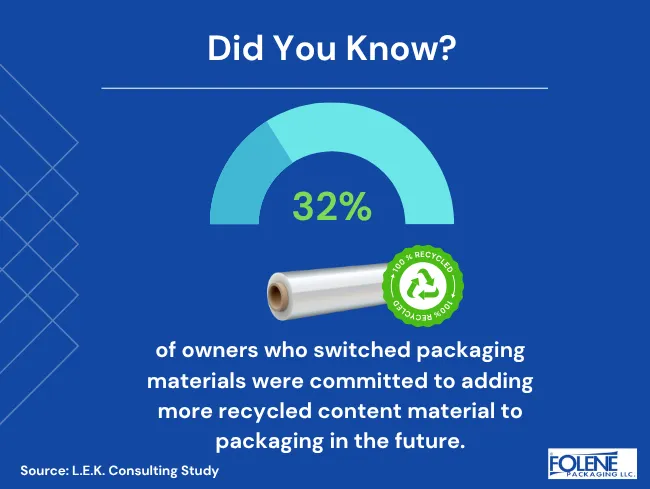
As more states phase in expanded PCR law requirements covering a growing range of plastic packaging products, manufacturers face increasing pressure to meet minimum recycled content standards while maintaining product quality and performance. Folene Packaging’s Ecolene® AP-XPCR high-performance shrink film offers an effective solution for companies striving to comply with these evolving regulations.
Ecolene® AP-XPCR is specially formulated to incorporate a high percentage of post-consumer recycled content without compromising durability, clarity, or shrink performance. This makes it an ideal choice for beverage containers, plastic packaging, and other covered products subject to PCR law mandates. By using Ecolene® AP-XPCR, manufacturers can confidently meet or exceed minimum content requirements, helping to stabilize markets and support municipal recycling programs while fulfilling compliance obligations.
Stay ahead of regulatory changes and demonstrate your commitment to sustainability with Folene Packaging’s innovative shrink film solutions. Contact us today to learn more about how Ecolene® AP-XPCR can help your company achieve compliance and contribute to a circular economy.