What is Paperization in Paper Packaging?
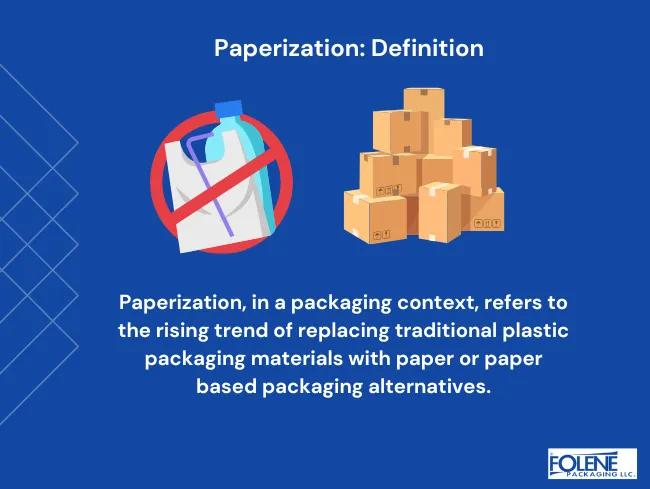
Paperization, in a packaging context, refers to the rising trend of replacing traditional plastic packaging materials with paper or paper based packaging alternatives. At first glance, paperization appears to be a sustainable solution for businesses and companies seeking to improve their environmental impact. This trend is driven by a growing consumer demand for sustainable packaging alternatives to plastic and growing regulatory pressures, causing brands and consumers to seek more environmentally friendly options that minimize plastic waste.
There is a growing trend of businesses and companies adapting their strategies to incorporate paper-based packaging, responding to both regulatory changes and shifting market dynamics.
Consumer preferences are increasingly influencing the adoption of new packaging materials, as people seek minimalist, sustainable, and innovative solutions that align with their values.
Sounds good, right? So why aren’t all brands on board with the paperization trend? The Folene Packaging Team explores the limitations of paperization, why it doesn’t work for every brand, and sustainable packaging alternatives.
Market Trends and Consumer Expectations for Paper Packaging
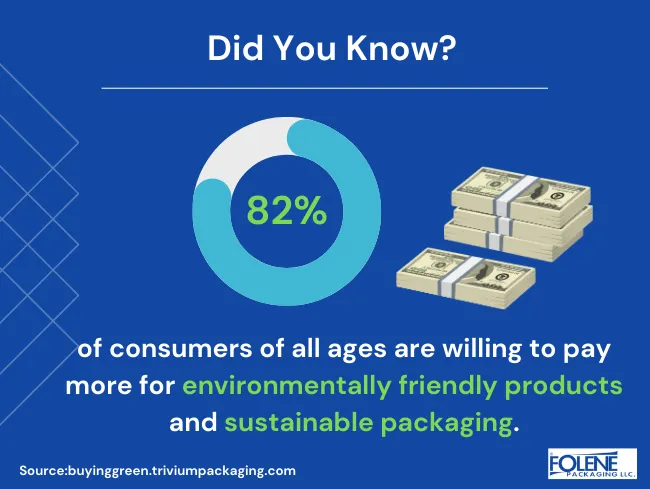
The paperization trend in the packaging sector is being shaped by a powerful combination of shifting market trends and evolving consumer expectations. Today’s consumers are more environmentally conscious than ever, with a growing preference for sustainable packaging that reduces plastic waste and minimizes environmental impact. In fact, recent studies show that 82% of consumers are willing to pay a premium for products packaged in environmentally friendly materials, driving brands to rethink their packaging strategies.
This surge in consumer demand for sustainable packaging has fueled rapid growth in the paper packaging market, which is projected to reach $440 billion globally by 2025. The rise of e-commerce has further accelerated this trend, as companies seek packaging solutions that not only protect products during shipping but also align with consumer values around reducing carbon footprint and packaging waste. As a result, paper based packaging, including recycled paper, cardboard packaging, and even innovative paper bottles, is becoming increasingly popular across a range of industries.
Consumer expectations are also influencing the types of materials used in packaging. A significant 80% of shoppers now consider the environmental impact of packaging when making purchasing decisions, prompting brands to reduce their reliance on single use plastics and explore alternatives like fiber based packaging and biodegradable materials. The use of recycled content and pure paper solutions is on the rise, as companies strive to meet these heightened expectations and enhance their brand reputation.
Regulatory pressures are another major force behind the paperization trend. Governments worldwide are introducing stringent packaging waste regulations, such as the EU’s Packaging and Packaging Waste Regulation, which sets ambitious targets for reducing packaging waste and increasing recycling rates. Non-compliance can result in hefty fines and damage to brand reputation, making it essential for companies to adopt sustainable packaging solutions that meet both consumer and regulatory demands.
To address these challenges, the packaging industry is investing in innovative solutions like flexible packaging, paper based packaging systems, and new materials that offer reduced plastic content, improved recyclability, and a lower carbon footprint. While these advancements bring clear environmental benefits, they can also lead to higher costs, which some companies may find difficult to absorb in the short term.
Despite these hurdles, the momentum behind the paperization trend shows no signs of slowing. As technology advances and economies of scale are achieved, the cost of sustainable materials is expected to decrease, paving the way for even more innovative packaging solutions. The ultimate goal is to create a circular economy within the packaging system, where materials are reused, recycled, and continuously cycled back into production, minimizing packaging waste and maximizing positive impact on the environment.
In summary, the paperization trend is being propelled by strong consumer demand for sustainable, recyclable packaging and reinforced by regulatory requirements. As the packaging industry continues to innovate and adapt, companies that embrace paper based and environmentally friendly packaging solutions will be well-positioned to meet consumer expectations, comply with regulations, and contribute to a more sustainable future.
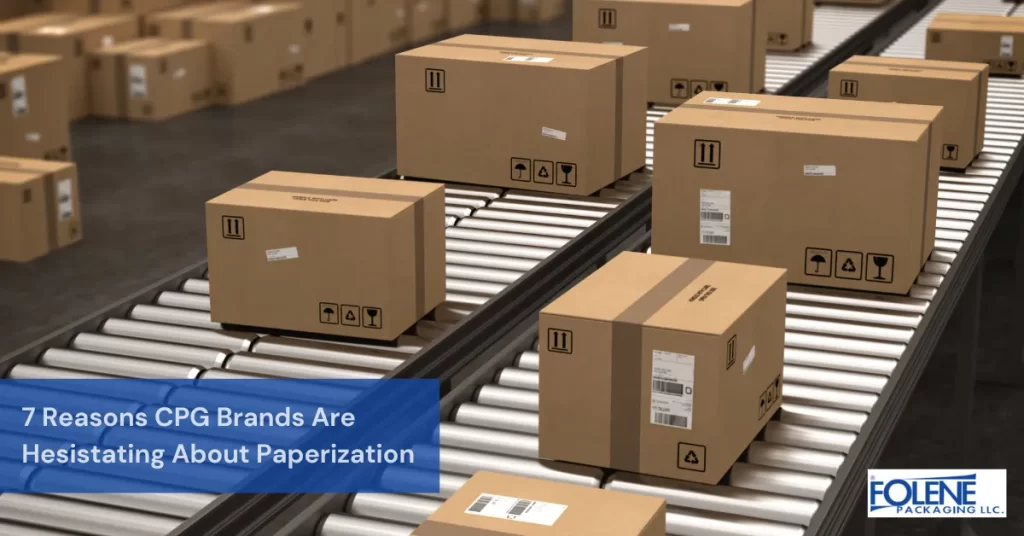
7 Reasons CPG Brands Are Wary of Paperization
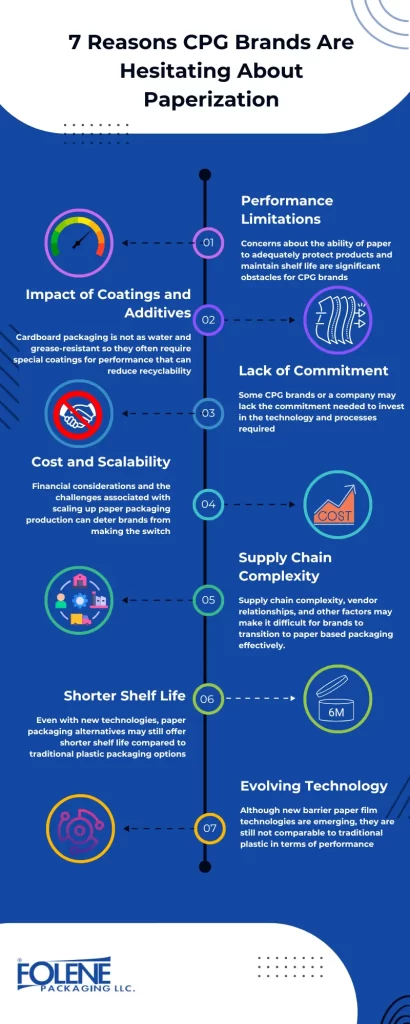
While paperization sounds great on paper, there are several real-life drawbacks that are preventing CPG brands from adopting the trend fully. Let’s examine some of these issues in detail:
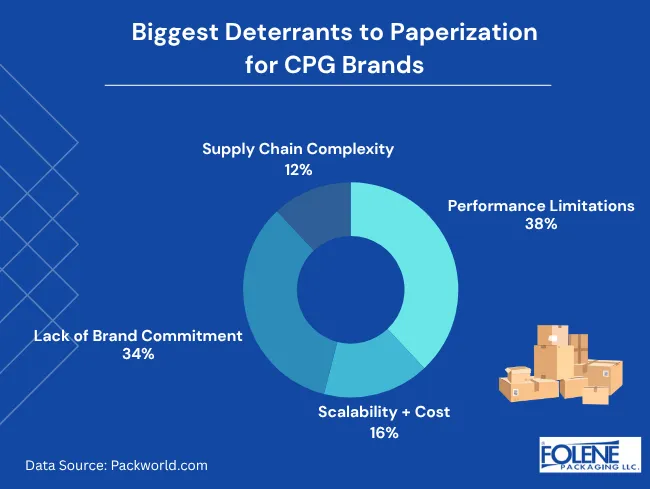
Performance Limitations: Concerns about the ability of paper to adequately protect products and maintain shelf life are significant obstacles for CPG brands. Paper packaging may only be suitable for certain applications, depending on its technical properties and the specific requirements of the product. Another performance challenge is that paper packaging is often slower to process in filling plants compared to plastic, which can affect efficiency in production.
Impact of Coatings and Additives: Cardboard packaging is not as water and grease-resistant as plastic, which means that many packaging applications necessitate using special coatings, additives, or laminations to enhance durability, similar to the barrier-film paper wrapper that Mars Wrigley developed for its candy bars. For food products, especially those requiring moisture and grease barriers to preserve freshness and safety, these coatings are often essential. However, these coatings complicate the recycling process, and can sometimes render the paper packaging completely unrecyclable. This conflicts with sustainability goals, and effectively defeats the purpose of switching to paper packaging.
Lack of Commitment: Some CPG brands or a company may lack the commitment needed to invest in the technology and processes required for successful paper packaging implementation, especially when their product requirements or supply chain present unique challenges.
Cost and Scalability: Financial considerations and the challenges associated with scaling up paper packaging production can deter brands from making the switch.
Supply Chain Complexity: The complexity of existing supply chains, vendor relationships, and other factors may make it difficult for brands to transition to paper based packaging effectively.
Shorter Shelf Life: Even with new technologies, paper packaging alternatives may still offer shorter shelf life compared to traditional plastic packaging options, posing a challenge for product preservation. However, biodegradable materials like paper reintegrate into nature more easily than most plastics, reducing environmental impact if not recycled.
Evolving Technology: Although new barrier paper film technologies are emerging, they are still not comparable to traditional plastic in terms of performance, making it challenging for brands to adopt paper packaging widely.
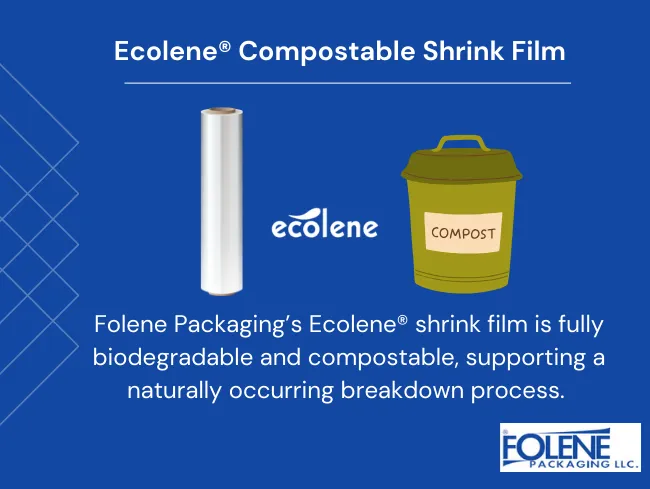
Folene Packaging Offers Sustainable Packaging Alternatives to Paperization
1. Performance Enhancement: Ecolene® shrink films are designed to provide superior protection for products, maintaining shelf life effectively. Brands can rely on these films to ensure their products remain fresh and undamaged throughout distribution and shelf display.
2. Recyclability with Added Benefits: Ecolene® AP-XPCR, with its high post-consumer recycled (PCR) content, allows brands to align with sustainability goals while still benefiting from the performance advantages. This film offers a recyclable option that can reduce environmental impact without compromising usability.
3. Commitment to Innovation: By choosing Ecolene® films, brands demonstrate a commitment to sustainability and innovation. Investing in biodegradable and high PCR films shows consumers that the brand is serious about environmentally friendly practices.
4. Cost-Effectiveness and Scalability: Ecolene® shrink films can often be produced at competitive costs compared to paper packaging. The established manufacturing processes for these films allow for scalability, making it easier for brands to switch without significant financial strain.
5. Streamlined Supply Chain: Using Ecolene® shrink films can simplify supply chain logistics, as these materials are already integrated into many existing systems. This reduces the complexity and challenges associated with transitioning to new paper-based solutions.
6. Extended Shelf Life: Ecolene® films offer shelf life advantages that may surpass those of paper alternatives. By using these films, brands can ensure their products stay fresh longer, leading to reduced waste and improved customer satisfaction.
7. Advanced Technology Adoption: Ecolene® films utilize advanced polymer technologies that provide performance comparable to traditional plastics while being more sustainable. Brands can confidently adopt these films without sacrificing quality, ensuring that their packaging meets industry standards.
By leveraging Ecolene® sustainable shrink films, brands can effectively address common concerns related to paper based packaging while fostering a commitment to sustainability and performance.
Rethinking Paperization: In Conclusion
The paperization trend reflects a significant shift toward sustainable packaging driven by consumer demand, regulatory pressures, and the need to reduce plastic pollution. While paper-based packaging offers many environmental benefits such as recyclability and a lower carbon footprint, it also presents challenges including performance limitations, recycling complications from coatings, and higher costs for some brands. CPG companies must carefully weigh these factors when considering a transition to paper packaging.
Folene Packaging understands these complexities and offers innovative, sustainable alternatives like Ecolene® shrink films that provide superior product protection, recyclability, and scalability without compromising on performance. By partnering with Folene Packaging, brands can meet their sustainability goals while maintaining product quality and operational efficiency.
Ready to explore sustainable packaging solutions tailored to your brand’s needs? Contact Folene Packaging today to learn how we can help you achieve a truly sustainable packaging system.