Introduction to the EU Recycling Crisis
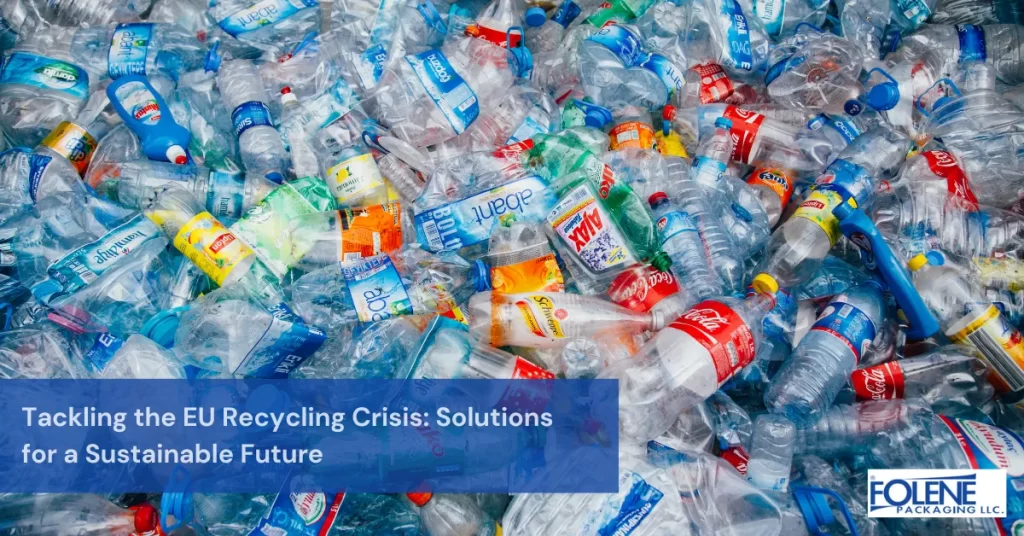
The EU recycling industry is currently facing a significant crisis marked by contamination, inefficient recycling systems, and insufficient investment in recycling infrastructure. This crisis affects the entire supply chain—from recycling bins to processing facilities—and has serious repercussions for the environment and public health. Low recycling rates, high contamination levels, and outdated technology hinder the effective recycling of many materials, including plastic bottles, cardboard, and paper, which often end up in landfills or incinerators. Plastic waste management is a critical concern, especially due to the widespread use of single-use plastic items such as bags, straws, and bottles. Folene Packaging examines the issue in-depth as well as some potential solutions.
Addressing these challenges requires reducing single-use plastics, promoting the use of recycled materials, and implementing extended producer responsibility (EPR) policies that encourage manufacturers to design sustainable products and take accountability for their waste. Significant investment is needed to upgrade recycling infrastructure with advanced technologies like chemical and mechanical recycling, alongside effective waste management systems such as curbside recycling and recycling centers. Digital tools, including sensors and data analytics, can optimize recycling processes and improve efficiency. The EU can benefit from international best practices, learning from countries like Germany and Japan, where circular economy models and deposit refund systems have successfully increased recycling rates and reduced waste.
Establishing global standards for recycling and waste management will further facilitate international cooperation. Central to overcoming the crisis is embracing the circular economy, which promotes sustainable product design and increased use of recycled content, supported by EPR policies. Additionally, innovative business models like product-as-a-service and sharing platforms can foster sustainable consumption. Ultimately, addressing the root causes of the crisis involves developing robust policies, regulations, and education campaigns to reduce contamination, and advancing new technologies and circular economy frameworks to create a sustainable and efficient recycling system in the EU.
Current State of Recycling
The current state of recycling in the EU is marked by low recycling rates, high contamination levels, and insufficient investment in recycling infrastructure. Many recyclable materials, including plastic bottles, cardboard, and paper, are not properly recycled and instead end up in landfills or incinerators. The recycling process itself often suffers from inefficiencies, driven by high energy costs and a lack of advanced technologies, which makes it difficult for recycled materials to compete economically with virgin plastic production. Additionally, the EU recycling industry faces significant challenges such as inadequate funding, outdated infrastructure, and a shortage of skilled workers, all of which hinder its ability to effectively manage waste and promote environmental responsibility.
Plastic Waste Management
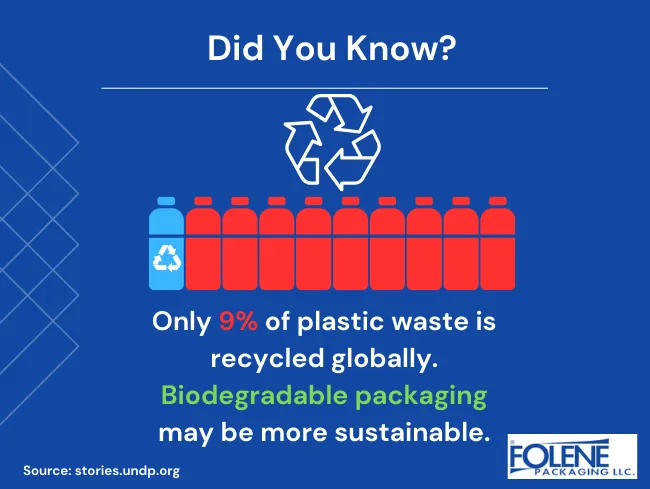
Plastic waste management is a critical issue in the EU, with millions of tons of plastic waste generated every year. A significant contributor to this problem is the widespread use of single-use plastic items such as plastic bags, straws, and bottles. To effectively address this challenge, it is essential to reduce the consumption of single-use plastics, increase recycling rates, and promote the use of recycled materials. One key strategy in this effort is extended producer responsibility (EPR), which encourages manufacturers to design more sustainable products and take accountability for the waste they generate. By adopting EPR policies, the EU can foster a more circular economy, reduce plastic waste, and support sustainable product design and waste management practices.
Infrastructure and Systems
The EU recycling infrastructure requires significant investment, as many recycling facilities currently lack the necessary equipment and technology to process recyclables efficiently. Advancements in recycling technologies, including chemical and mechanical recycling, are crucial for improving recycling rates and minimizing contamination. Additionally, implementing effective waste management systems such as curbside recycling and dedicated recycling centers is essential to increase recycling participation and reduce overall waste. Embracing digital technologies like sensors and data analytics can further optimize recycling operations and enhance system efficiency, supporting the EU’s efforts to build a more sustainable and effective recycling framework.
International Comparisons
The EU recycling industry can gain valuable insights by studying international best practices, particularly the circular economy models successfully implemented in countries like Germany and Japan. These nations have effectively increased recycling rates and reduced waste through programs such as deposit refund systems. Additionally, establishing global standards for recycling and waste management can enhance international trade and cooperation, fostering a more unified approach to tackling recycling challenges. The EU can also benefit from examining the experiences of other regions, such as the United States, which faces similar obstacles in its recycling industry, allowing for shared solutions and collaborative progress.
Circular Economy and Extended Producer Responsibility
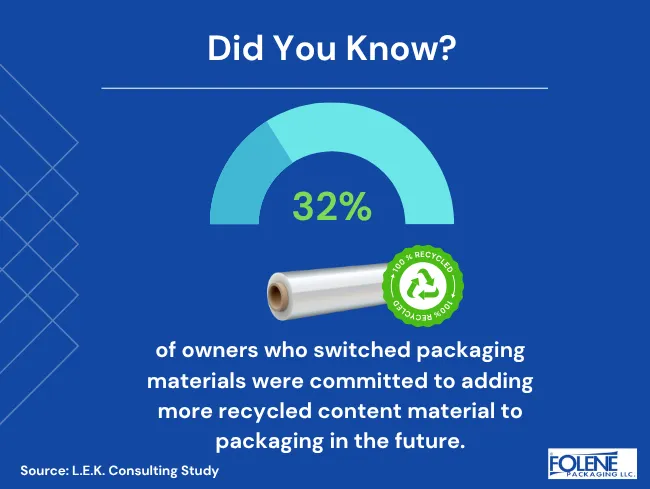
The circular economy plays a vital role in reducing waste and promoting recycling by encouraging the design of sustainable products and the increased use of recycled materials. Central to this approach is extended producer responsibility (EPR), which holds manufacturers accountable for the waste they generate and motivates them to create more sustainable products. Implementing EPR policies can significantly reduce waste, boost recycling rates, and support the incorporation of recycled materials into new products. Additionally, embracing circular economy business models—such as product-as-a-service and sharing economy platforms—fosters sustainable consumption and further contributes to waste reduction efforts.
Addressing the Root Causes of the Crisis
To effectively tackle the root causes of the recycling crisis, it is crucial to address several underlying factors, including the lack of investment, inadequate infrastructure, and insufficient regulation. Developing and enforcing robust policies and regulations, such as comprehensive waste management laws and clear recycling targets, is essential for driving meaningful progress. Additionally, education and awareness campaigns play a vital role in promoting proper recycling practices and reducing contamination. Embracing new technologies and innovative business models—such as advanced recycling methods and circular economy platforms—can further strengthen efforts to resolve the crisis and build a sustainable recycling system for the future.