Introduction to Book Protection
Book protection is a crucial aspect of preserving the quality and longevity of books. One effective method of protecting books is using shrink wrap for books, which involves covering a book in a plastic film and applying heat to seal it. Shrink wrap creates a durable and protective barrier around the book, preventing damage from dust, dirt, and moisture. This method is particularly popular for rare or valuable books, as it ensures they remain in pristine condition. In this section, we will explore the benefits and process of shrink wrapping books, including the use of shrink film, heat guns, and other equipment.
Why Use Shrink Film for Book Protection
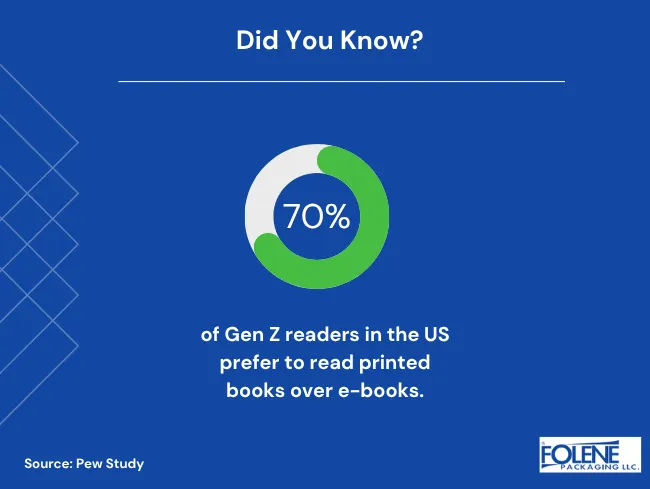
An overwhelming 70% of Gen Z readers in the US prefer to read print books over digital versions. This surprising nonconformity to their digital-first stereotype means that Gen Z is still an active market for the printing industry. The demand for the printed word is high, and publishing houses must be equipped with the best protective book packaging materials to meet that demand. Folene Packaging explores the best shrink wrap for books to lay out the top options for protecting print materials.
To fully realize the protective potential of shrink wrap films, it is crucial to understand how to utilize them properly. Shrink wrap is a popular method for protecting books from dust, dirt, and moisture, making it a good choice for book collectors and sellers.
Benefits of Using Shrink Film for Books
Shrink wrap books are protected from dust, dirt, and moisture, which can damage the pages and cover of the book. Shrink wrapping offers a tailored fit for aesthetic book protection.
Shrink wrapping provides a tight, secure seal, preventing the book from being damaged during handling and transportation. Outraged Amazon consumers took to Reddit to express their dismay that Amazon was packing and shipping books without protective covers- and the books were arriving consistently damaged. A thin protective layer of shrink film can protect the pages from damage in transit, ensuring high levels of customer satisfaction.
Clear shrink film allows the book’s title, blurb, and cover graphics to grab readers’ attention while protecting the book from in-store handling and damage. Shrink wrap eliminates extra space during shipping and storage, making it an efficient packaging solution. Additionally, shrink wrap minimizes movement during transit, further protecting the book from damage.
Shrink film is a suitable option for protecting printed materials, including books, as it is easy to apply and removes easily without damaging the book. The shrink film covers the book to create a tight seal, ensuring it is securely wrapped and visually appealing. Various types of films, such as polyester and PVC, are used in shrink wrapping to cater to different packaging needs.
Shrink film is a durable, long-lasting solution for protecting books in short- and long-term storage, making it a premium choice for printing houses, book collectors, and sellers alike. Shrink wrap forms a protective barrier against various forms of damage, including dust, dirt, and moisture. Effective sealing in the shrink wrap process is crucial for ensuring that books remain undamaged during handling and transportation.
The Shrink Wrapping Process
The shrink wrapping process involves several steps, including preparing the book, applying the shrink film, and heating the film to seal it. To start, the book is placed in a plastic film, which is then wrapped around the book to cover it completely. The film is sealed using a heat gun or other heating device, which applies heat to the film, causing it to shrink and conform to the shape of the book. The resulting package is a tightly sealed and protected book that is resistant to dust, dirt, and moisture. Shrink wrapping is a good choice for book protection because it is a durable and long-lasting solution that can be used for a variety of book types, including hardcover and paperback books.
Which is the Best Shrink Wrap for Books?
Ultimately, the type of shrink film depends on your top concerns. PVC is commonly used in shrink wrap films due to its durability and clarity. For example, hardcover books with dust jackets benefit significantly from shrink wrapping as it protects the covers from scratches and dust. Here are Folene Packaging’s top picks for book packaging film:
1. Best for Book and Print Material Display: Flxtite® AP-1 Film
High-quality Flxtite® AP-1 polyolefin film has outstanding gloss and shine, making it a perfect choice for displaying books and magazines on retail shelves. Flxtite® AP-1 performs beautifully for packaging print material regardless of hardcover, paperback, or degree of cardstock thickness. Its subtle glossy finish and smooth edges increase shelf appeal and draw the reader into the printed book experience. Additionally, shrink wrap enhances marketing efforts by allowing retailers to include price tags on the packaged books, boosting visibility and sales. Explore AP-1 Film by clicking the image below.

2. Best for Eco-Friendly Book Packaging: Ecolene® 100% Biodegradable Shrink Film
If the environment is a top concern for your readership, then their reading materials should be packaged according to their values. With Ecolene® 100% Biodegradable Shrink Film, you don’t need to compromise on optics or product visibility to make your packaging eco-friendly. Ecolene® is specially formulated for superior clarity, gloss, and shrink properties while maintaining full biodegradability. Additionally, biodegradable shrink wrap like Ecolene® does not emit harmful chemicals over time, ensuring long-term preservation of your books.

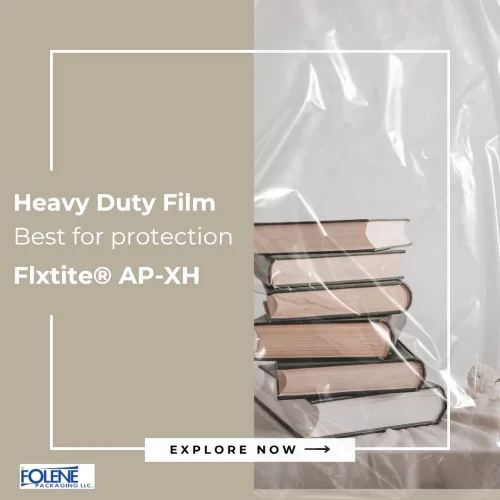
3. Best for Book Protection: Flxtite® AP-XH
If protection is your primary concern, Flxtite® AP-XH is an excellent option for that extra security during transit or storage. This film combines strong, high tear resistance with a clear and neat appearance, so you can maximize both safety and optics.
To maintain the quality and effectiveness of shrink wrap materials, they should be properly stored in a dry place, away from direct sunlight or heat. This prevents expansion or shape changes, ensuring optimal performance when used for wrapping books.
Wrap Books with Care
When wrapping books with shrink film, it is essential to take care to avoid damaging the book or the film. The book should be handled carefully to prevent creasing or bending, and the film should be applied smoothly and evenly to prevent wrinkles or air pockets. The heat gun or other heating device should be used carefully to avoid applying too much heat, which can cause the film to become misshapen or the book to become damaged. By taking the time to wrap books with care, customers can ensure that their books are protected and preserved for years to come. Shrink wrapping is a suitable solution for book protection, and with the right equipment and techniques, it can be a valuable tool for book collectors and sellers. Whether you are looking to protect a single book or a large collection, shrink wrapping is a good choice that can provide durable and long-lasting protection.
Conclusion: Choosing the Right Shrink Film for Book Protection
Wrapping books in shrink film offers a simple yet highly effective way to safeguard them from damage, wear, and environmental factors during handling and transportation. The advantages of shrink wrapping include its protective qualities against dust, dirt, and moisture, which help preserve the condition and value of printed materials. This method creates a tight, secure seal that ensures books remain in excellent shape whether in storage or transit, making it especially popular among book collectors, sellers, and publishers. Shrink wrap provides a durable, long-lasting protective barrier that contributes to the longevity of books. Let Folene Packaging’s experts help you protect your printed material. Contact Folene Packaging today and let us help you protect your valuable printed materials.