
Packaging is a crucial aspect of any business, serving not only to protect products during shipping and storage but also to convey the brand’s identity and values. A well-designed packaging strategy can enhance the customer experience, reduce costs, and increase brand loyalty. With the rise of e-commerce, the demand for customized, retail packaging solutions, and custom packaging solutions has grown significantly. Businesses must carefully consider factors such as sustainability, cost efficiency, and product protection when choosing the right packaging options to meet their needs effectively.
Importance of Choosing the Right Packaging
Choosing the right packaging is essential for businesses because it directly impacts product safety, customer satisfaction, and brand reputation. Effective packaging not only protects products during shipping and storage but also helps reduce waste, minimize environmental impact, and optimize shipping costs. When selecting packaging materials and designs, factors such as product type, shipping method, and target audience must be carefully considered. A thorough understanding of various packaging options—including cardboard boxes, corrugated boxes, and glass containers—is necessary to make informed decisions that align with a company’s packaging strategy and brand values.
Packaging Materials: A World of Options
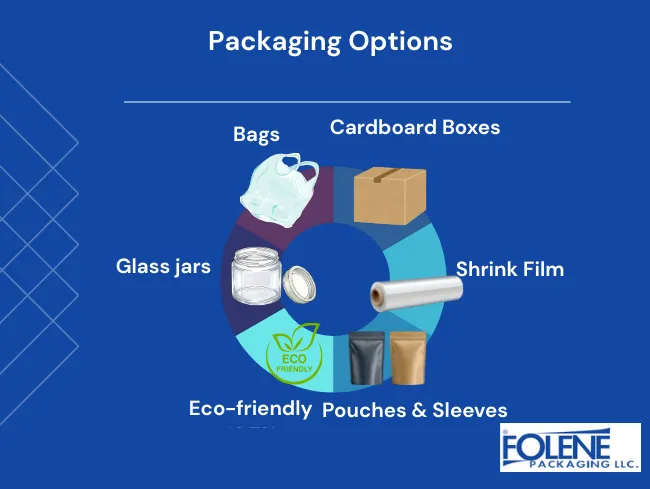
Packaging materials range from traditional plastics to cutting-edge sustainable innovations. Popular choices include corrugated cardboard boxes for their strength and recyclability, glass bottles for their inertness and clarity, and plastic jars for their versatility and lightweight nature. For premium products, custom boxes and rigid packaging offer an elevated unboxing experience. The industry is also moving toward eco-friendly solutions, including recycled content, paper-based materials, and minimalist designs that reduce waste.
Striking the right balance between protection, cost-effectiveness, and sustainability is essential as businesses adapt to consumer and regulatory demands. Businesses face the challenge of balancing the need for effective product protection with the growing demand for eco-friendly packaging options, making it essential to choose materials and designs that align with both environmental responsibility and product safety.
Sustainable Packaging Options
Sustainable packaging options encompass biodegradable materials, compostable packaging, and recyclable materials, offering businesses eco-friendly alternatives to traditional packaging. Innovative solutions such as algae ink, plant-based packaging, and emerging materials like mushroom-based packaging are gaining popularity for their reduced environmental impact. By adopting these sustainable packaging methods, companies can significantly reduce their carbon footprint, minimize waste, and appeal to eco-conscious consumers who prioritize environmental responsibility in their purchasing decisions.
Traditional Packaging Materials
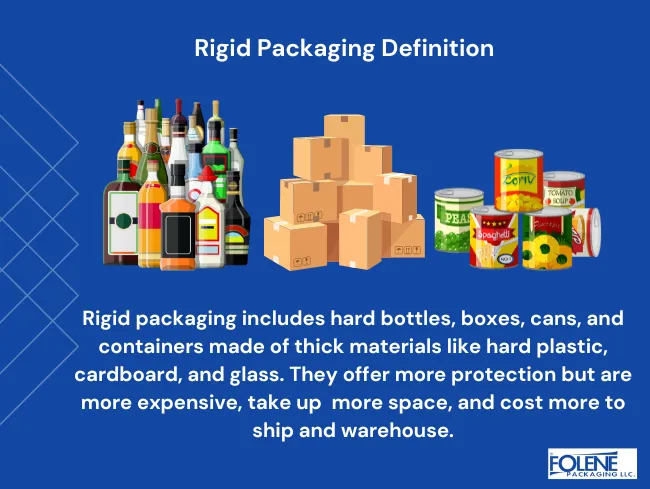
Traditional packaging materials such as plastic bags, plastic containers, and Styrofoam remain widely used due to their cost efficiency and ability to protect products effectively. However, these materials pose significant environmental challenges, including pollution, waste accumulation, and harm to wildlife. As awareness of these impacts grows, businesses are increasingly weighing the benefits of traditional packaging against its environmental costs and are exploring sustainable packaging solutions as eco-friendly alternatives.
In response, many are turning to alternative, more sustainable packaging materials like paper pulp and bioplastics, which offer eco-friendly options without compromising product protection. This shift reflects a broader industry trend toward balancing cost, functionality, and environmental responsibility in packaging choices.
Food and Product Packaging
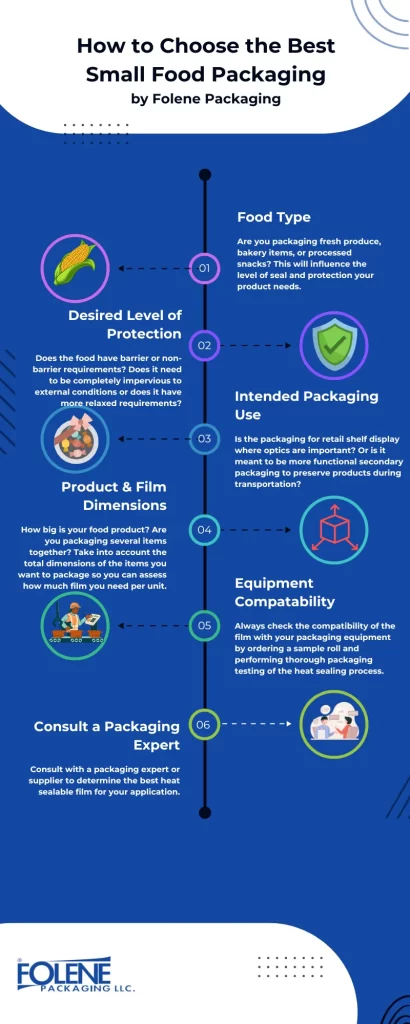
Food packaging requires special consideration to ensure product safety, freshness, and quality. Packaging for food products comes with unique challenges: it must protect against contamination, preserve freshness, and comply with stringent safety standards. Packaging solutions for food items, such as glass containers, plastic jars, and corrugated boxes, must be designed to prevent contamination and spoilage while balancing product protection with sustainability and cost efficiency. Glass containers are ideal for products requiring an airtight seal, plastic jars offer versatility, and corrugated boxes excel in shipping bulk items. On the other hand, each of these solutions also has drawbacks, including fragility, environmental concerns, and space considerations.
Key factors such as temperature control, moisture resistance, and barrier protection are critical to maintaining food quality. Additionally, the food packaging industry is increasingly shifting towards more sustainable options, including compostable and biodegradable materials. Custom packaging solutions, such as branded packaging and labeling, not only enhance product visibility and shelf appeal but also help businesses comply with food safety regulations and industry standards.
Food Packaging Solutions
Food packaging solutions must carefully balance product protection with sustainability and cost efficiency. Critical factors such as temperature control, moisture resistance, and barrier protection are vital to maintaining food quality and safety. Innovative packaging technologies, including modified atmosphere packaging and active packaging, have been developed to extend shelf life and enhance product freshness. Additionally, businesses must ensure that their packaging materials and designs comply with stringent food safety regulations and industry standards to guarantee consumer safety and product integrity.
Business and Shipping
Packaging plays a critical role in shipping and storage, as it must protect products from damage and deterioration throughout the supply chain. Small business owners need to carefully consider their packaging options by balancing factors such as cost, sustainability, and product protection. Utilizing custom packaging solutions, including branded boxes and labels, can significantly enhance brand identity and elevate the overall customer experience. To minimize damage during transit, businesses should optimize their packaging for shipping by incorporating protective materials like bubble wrap, packing peanuts, and shrink wrap. Thoughtful packaging choices not only safeguard products but also help build a strong, recognizable brand presence.
Small Business Packaging Considerations
Small businesses must prioritize packaging considerations such as cost efficiency, sustainability, and product protection to meet their unique needs effectively. Custom packaging solutions, including branded boxes and labels, offer small businesses valuable opportunities to stand out in the market and build a strong brand identity. When selecting packaging materials and designs, factors like shipping method, product type, and target audience should be carefully evaluated to ensure optimal protection and appeal. Partnering with packaging suppliers that provide sustainable and cost-effective solutions can further support small businesses in achieving their packaging goals while minimizing environmental impact and enhancing customer satisfaction.
Packaging for Shipping and Storage
Packaging for shipping and storage requires careful consideration of factors such as weight, size, and fragility to ensure products arrive safely and intact. Common solutions include corrugated boxes, plastic containers, and pallets, which provide varying levels of protection and support for different types of goods. Businesses must design their packaging to prevent damage and deterioration during transit and storage, taking into account the specific needs of their products. Additionally, innovative packaging technologies like smart packaging and IoT-enabled solutions are emerging to enhance supply chain visibility and efficiency, helping businesses better track and manage their shipments throughout the logistics process.
Packaging Solutions and Supplies
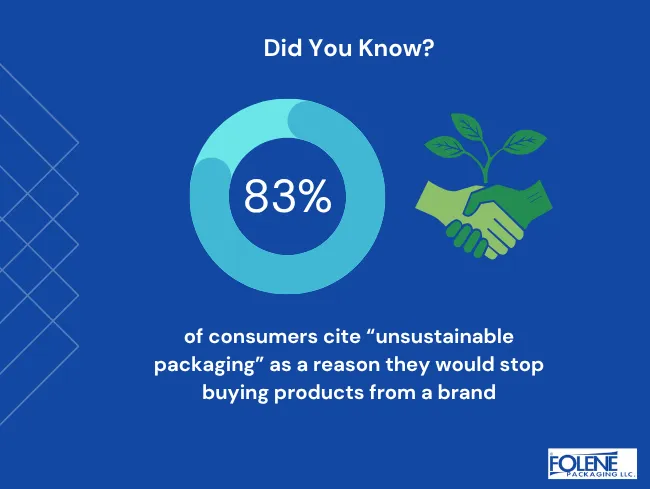
Packaging solutions and supplies vary widely, ranging from custom packaging materials to sustainable options that meet diverse business needs. Companies can select from a broad range of packaging supplies, including boxes, bags, and labels, tailored to optimize operations and reduce costs. The packaging industry continues to evolve rapidly, introducing new technologies and materials that address sustainability and efficiency challenges.
By partnering with packaging suppliers, businesses can design and manufacture custom packaging solutions—such as branded boxes and labels—that not only enhance brand identity and improve product protection but also help differentiate their offerings and build customer loyalty. Additionally, selecting the right packaging supplies requires careful consideration of factors such as cost efficiency, product safety, and environmental impact, with many suppliers now offering eco-friendly materials, including bioplastics and mushroom-based packaging. Staying informed about the latest packaging trends and innovations enables businesses to invest in solutions that prioritize sustainability, efficiency, and customer experience, ultimately driving growth and fostering long-term success.
Custom Packaging Solutions
Custom packaging solutions enable businesses to create tailored packaging that meets their specific needs while enhancing brand identity, improving product protection, and reducing waste. By collaborating with packaging suppliers, businesses can design and manufacture unique packaging options such as branded boxes and labels that not only differentiate their products in the marketplace but also foster customer loyalty. These customized solutions provide a strategic advantage by aligning packaging with brand values and customer expectations, ultimately supporting business growth and sustainability goals.
Packaging Supplies and Materials
Packaging supplies and materials, such as cardboard boxes, plastic bags, and packing peanuts, are essential considerations when selecting the right packaging options. It is crucial for businesses to evaluate factors like sustainability, cost efficiency, and product protection to ensure their packaging strategy aligns with both environmental responsibility and operational needs. The packaging industry continues to innovate, offering a variety of sustainable materials and solutions, including bioplastics and mushroom-based packaging, which provide eco-friendly alternatives to traditional options. Partnering with packaging suppliers that offer sustainable, cost-effective solutions can help businesses optimize their packaging strategy, reduce waste, and enhance overall product safety.
Final Thoughts on Packaging
Packaging is a complex, multifaceted aspect of business operations that requires careful consideration of sustainability, cost efficiency, and product protection. To remain competitive, businesses must stay informed about the latest trends and innovations in packaging, including the adoption of sustainable materials and smart packaging solutions. By investing in packaging strategies that prioritize sustainability, operational efficiency, and an enhanced customer experience, companies can foster brand loyalty, minimize waste, and drive growth. As technological advancements, shifting consumer preferences, and evolving regulatory requirements continue to shape the future of packaging, it is essential for businesses to remain adaptable and innovative in their packaging approaches.