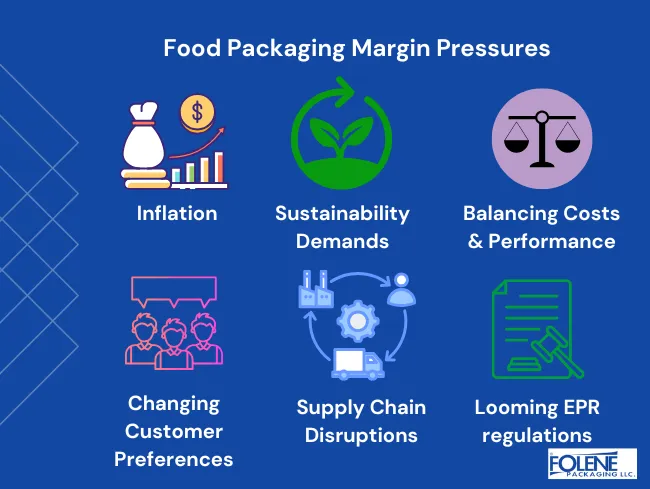
Food packaging margin pressures have become a critical challenge for food and beverage companies in today’s fast-evolving market. With inflationary costs, supply chain disruptions, shifting consumer preferences, and growing sustainability demands, packaging teams are under immense pressure to protect margins while maintaining quality and brand value. As thought leaders in the packaging space, let’s explore how companies are tackling these challenges—and uncover additional strategies that can drive resilience and profitability.
Tackling Food Packaging Margin Pressures: 9 Key Strategies
The broader economy and ongoing cost inflation are driving significant cost increases and rising costs in the food packaging sector, directly impacting prices and intensifying margin pressures for businesses across the industry.
1. Optimizing Packaging Materials and Design Many companies are moving toward lighter, more efficient packaging that uses less raw material without sacrificing product integrity. Material source optimization and right-sizing help cut costs and reduce waste. Optimizing the use of boxes in the supply chain can improve cost efficiency and support high-margin profitability, especially when custom branding is involved. When selecting packaging materials, it is important to consider total cost and product performance to ensure both operational efficiency and customer satisfaction.
2. Embracing Automation and Digitalization Automated packaging lines, smart sensors, and data analytics streamline operations, reduce labor costs, and minimize errors. Automation also helps address labor availability challenges and increases operational capacity, while improving system performance and delivering key benefits such as reduced operator fatigue, enhanced product performance, and continuous material flow. Digital twins and advanced simulation tools help companies test and optimize new packaging solutions before full-scale rollout.
3. Leveraging Supplier Partnerships Collaborating closely with suppliers enables better negotiation on pricing, access to innovative materials, and joint problem-solving during market volatility. Working with a packaging company can help a business manage cost increases and maintain pricing power through improved negotiation and innovation.
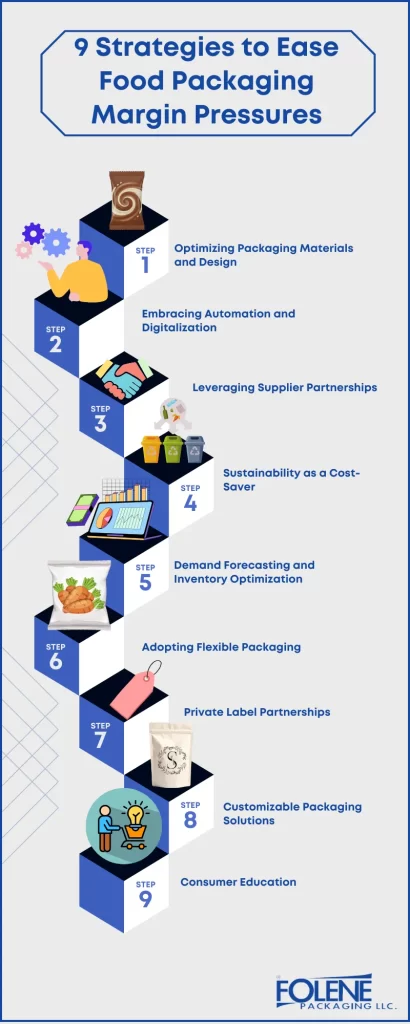
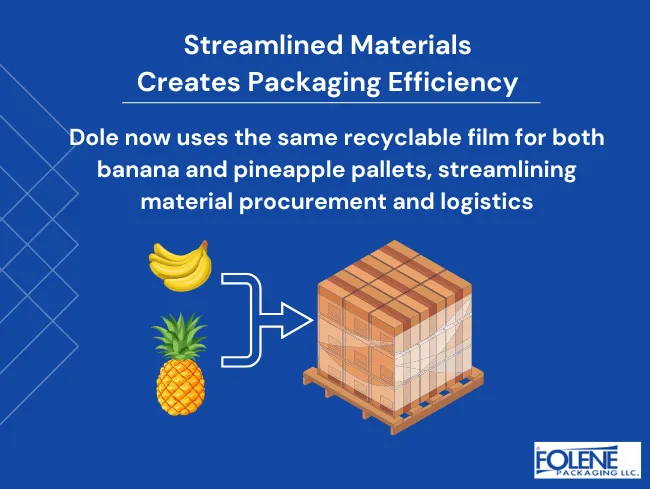
4. Sustainability as a Cost-Saver Sustainable packaging isn’t just about brand image—it can reduce costs by minimizing materials, streamlining logistics, and qualifying for regulatory incentives. Designing with the environment in mind can lead to cost savings and compliance, while the operational environment influences decision-making and long-term resilience. Companies are investing in recyclable or compostable packaging and reducing carbon footprints across the supply chain. For additional strategies, explore Folene Packaging’s article on minimizing packaging waste. Learn more about how sustainability impacts packaging margins in this article from RSM US.
5. Demand Forecasting and Inventory Optimization Using AI-powered tools to predict demand accurately helps companies avoid excess stock, reduce storage costs, and minimize waste, all of which help protect margins. Monitoring stock levels and analyzing goods sold enables businesses to optimize inventory, improve cash flow, and ensure money is allocated efficiently to meet customer demand and expectations.
6. Flexible Packaging Formats: Adopting pouches, wraps, or shrink films that conform to product shape can reduce material use and shipping costs.
7. Private Label Partnerships: Working with retailers on private label products often brings scale efficiencies and shared innovation.
8. Customizable Packaging Solutions: Tailoring packaging to regional or channel-specific needs can unlock cost savings and reduce complexity.
9. Consumer Education: Clear communication about packaging innovations and sustainability efforts can build loyalty and justify premium pricing.
Packaging Materials and Sustainability: Balancing Cost and Responsibility
The packaging sector is facing unprecedented pressure to balance cost control with environmental responsibility, as consumer demand for sustainable packaging materials continues to rise. Today’s consumers expect food and beverage companies to prioritize eco-friendly solutions, pushing packaging companies to innovate while keeping a close eye on production costs and operational efficiency.
Sustainable packaging materials—such as bioplastics, recyclable plastics, and paper-based options—are increasingly adopted by food and beverage manufacturers seeking to reduce waste and minimize their environmental impact. These materials not only help companies meet evolving consumer expectations but also serve as a key differentiator in a crowded market, supporting both brand value and competitive advantage.
However, the shift toward sustainability often brings higher production costs and can impact gross margin and selling price. To address these challenges, companies are focusing on optimizing their supply chain and streamlining operations. For example, implementing closed-loop systems allows beverage companies to recycle used packaging materials, reducing reliance on raw materials and lowering total costs. Automation and digitalization—such as robotic packaging lines and advanced inventory management—further enhance operational speed, reduce labor costs, and help companies scale efficiently, even in the face of labor shortages.
Data analytics play a crucial role in this landscape, enabling food producers and CPG companies to analyze purchasing trends, forecast demand, and identify the most profitable product lines. By focusing production on high-performing SKUs and reducing excess inventory, companies can improve cash flow, reduce waste, and protect their margins. This data-driven approach also allows companies to respond faster to shifts in consumer demand and adapt quickly to new market trends.
The rise of private label products in the food and beverage industry has intensified the need for innovation and differentiation. To maintain market share and profitability, companies are investing in unique, high-quality packaging solutions that align with both cost control and sustainability goals. Streamlining product lines, reducing manual processes, and leveraging scalable operations are key strategies to stay competitive and drive growth.
Ultimately, success in the packaging sector hinges on the ability to balance cost and responsibility. By prioritizing sustainable packaging materials, optimizing supply chain operations, and embracing operational efficiency, companies can reduce costs, improve profitability, and meet the rising expectations of consumers and retailers alike. As the demand for eco-friendly packaging continues to grow, those who adapt quickly and focus on innovation will be best positioned to lead the market and achieve long-term success.
Folene Packaging: Innovating with Shrink Film
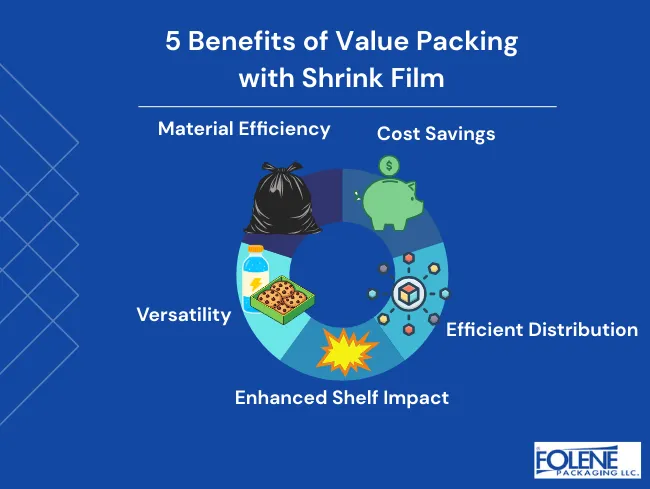
One standout solution in the fight against food packaging margin pressures comes from Folene Packaging’s advanced shrink film materials. Here’s why shrink film is gaining traction:
For a broader perspective on margin pressures in the consumer packaged goods and retail sector, explore this report by Dassault Systèmes.
How Shrink Film Eases Margin Pressures
Material Efficiency: Shrink film uses less plastic compared to rigid alternatives, directly reducing material costs.
Improved Shelf Appeal: Tight, clear films enhance product visibility, supporting sales with minimal extra cost.
Reduced Transportation Costs: Shrink-wrapped products are lighter and take up less space, lowering shipping expenses.
Enhanced Product Protection: Shrink film provides a secure seal, reducing spoilage and returns.
Versatility: Suitable for a wide range of food and beverage products, accommodating various shapes and sizes with ease.
Sustainability: Modern shrink films from Folene Packaging contain recyclable content, helping companies meet environmental goals and potentially access eco-friendly incentives.
Ready to Address Your Margin Pressures?
Folene Packaging’s experts are ready to help you discover how innovative shrink film solutions can ease your food packaging margin pressures. Contact us today to learn more and take the next step toward a more profitable, sustainable packaging future.