In the last decade, sustainability standards in packaging became a hallmark of corporate responsibility. These standards are voluntary guidelines used by producers and service providers to demonstrate commitment to good environmental and social practices. In fact, there are over 400 sustainability standards across the world, reflecting the diversity and breadth of these guidelines. Brands proudly set ambitious benchmarks—100% recyclable packaging by 2025, or drastically reducing virgin plastic use—to meet these evolving standards.
But as regulatory momentum accelerates, the landscape is shifting. Companies are increasingly moving away from self-imposed sustainability standards in favor of compliance with stringent new packaging laws. At Folene Packaging, our experts have witnessed and shaped this transition. Here’s what it means for your business—and why now is the moment to rethink your packaging strategy.
The Evolution of Global Standards for Sustainability in Packaging
Sustainability standards—whether set internally by brands or influenced by industry coalitions—once set companies apart. These standards, often driven by consumer demand and stakeholder expectations, inspired innovation across the packaging value chain. Sustainability standards can be categorized as either voluntary consensus standards or private standards. Brands experimented with compostable films, bioplastics, and ambitious recycling targets. While many achieved incremental progress, others found that standards—without accountability mechanisms—struggled to drive systemic change or industry-wide adoption. For a broader look at early sustainability initiatives and their impact, the Ellen MacArthur Foundation’s report on the Global Commitment offers valuable insights.
Sustainability standards have had a significant influence in several sectors. In agriculture, the most widely established sustainability standards have resulted in 40% of global coffee production being certified to one of the main schemes. In forestry and wild seafood, certified production has pushed past 10% of the global share. Standards for mining and the extraction of metals, including gold and oil, have started to emerge in recent years.
The tourism industry also features a variety of sustainability standards for different subsectors, such as sustainable hotels and tour operators. The Fairtrade movement is a leading example of a consumer standard for ethically sourced produce. The Forest Stewardship Council’s standard (FSC) has grown tremendously for forest products made from sustainably harvested trees, while the Roundtable on Sustainable Palm Oil (RSPO) is a prominent sector-specific sustainability standard.
When discussing standards and frameworks, it is important to note the role of SASB standards, which provide sector-specific sustainability reporting standards focused on financially-material ESG metrics and are integrated into broader frameworks like the ISSB and IFRS.
The Emergence of Stringent Packaging Regulations
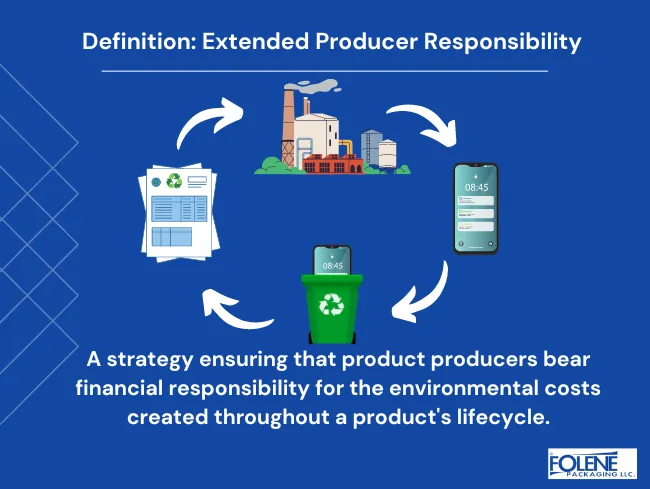
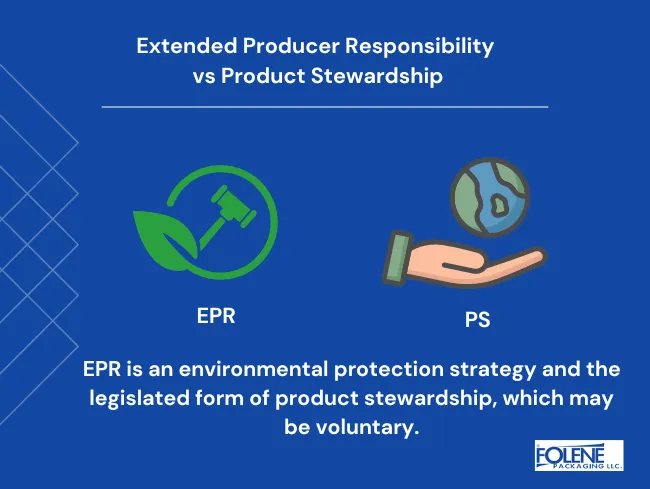
Today, the voluntary era is giving way to a new regime: regulation. States like California have implemented robust Extended Producer Responsibility (EPR) laws, while Europe’s regulatory frameworks continue to set global benchmarks. (For an overview of California’s landmark SB 54 legislation, visit the official California Legislative Information site.) These regulations require recycled content, enforce strict reporting requirements, and impose penalties for non-compliance. The result is a rapidly evolving landscape where compliance is no longer optional—and the cost of falling short is steep. For a deeper dive into EPR regulations and their implications, see our analysis on navigating EPR compliance and our breakdown of EPR’s impact on supply chains.
Ethics and Sustainability: The Moral Imperative Behind Sustainable Packaging
Ethics and sustainability are inseparable in today’s packaging landscape. The drive toward sustainable packaging is not just a regulatory or market trend—it is a moral imperative rooted in the responsibility to minimize environmental impact and conserve finite resources. By adopting sustainable packaging practices, companies actively reduce their carbon footprint and demonstrate a commitment to social accountability and environmental stewardship.
Transparency and accountability are at the heart of this ethical approach. Through robust sustainability reporting and clear corporate disclosures, organizations provide stakeholders with insight into their environmental performance and business practices. Global standards set by the International Sustainability Standards Board (ISSB) and the International Ethics Standards Board for Accountants (IESBA) ensure that sustainability assurance engagements are conducted with integrity, supporting strong corporate governance and ethical decision-making.
By aligning with these global standards, companies not only meet the expectations of regulators and customers but also contribute to a more sustainable global economy. Embracing sustainability assurance and ethical business practices signals a genuine commitment to the environment, society, and the long-term health of the business. In this new era, ethical leadership in packaging is both a business necessity and a powerful differentiator.
Why Companies Are Re-evaluating Sustainability Reporting Standards
The shift is pragmatic as much as it is strategic. As legal and financial risks grow, companies are reallocating resources from aspirational sustainability standards to ensuring airtight regulatory compliance. To maximize impact and efficiency, companies must focus their efforts on the most material sustainability topics, rather than spreading resources too thinly across numerous initiatives.
This does not mean abandoning sustainability. Instead, it reflects a new baseline—one that is set by law, not solely by internal benchmarks. Organizations determine which sustainability topics and data sources are most relevant by engaging with stakeholder groups, such as employees, customers, and suppliers, to ensure their reporting addresses the most significant issues. Other stakeholders, including investors, regulators, NGOs, and industry coalitions, also influence the prioritization and implementation of sustainability standards, making comprehensive stakeholder engagement essential for effective sustainability practices.
For many, the challenge is to meet complex, jurisdiction-specific requirements efficiently, without stifling innovation or escalating costs.
Impacts on Sustainability Standards and the Packaging Landscape
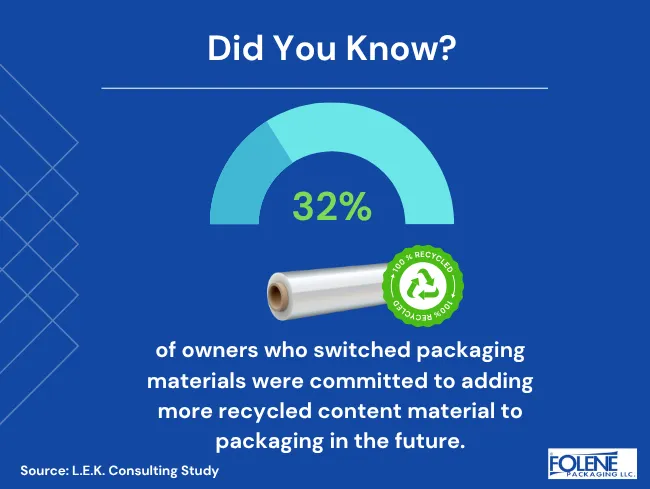
This regulatory pivot is ushering in a new era of standardization. Clear, enforceable rules level the playing field and enable measurable progress. The Sustainable Packaging Coalition offers a helpful summary of trends in packaging policy and their implications. However, the risk is that ambition stalls at the compliance threshold. The industry must guard against a “checkbox” mentality, where meeting only the minimum standards becomes the ceiling rather than the foundation for true sustainability leadership.
Effective implementation of sustainability standards is essential to ensure that these standards drive real change rather than just compliance. Supporting effective implementation requires robust stakeholder engagement, accessible support resources, and a clear understanding of standard-specific guidance. Organizations should leverage these resources to facilitate adoption and compliance across different jurisdictions.
Standard setting processes, such as those led by international organizations, are critical for harmonizing sustainability reporting and assurance practices. It is also important to explore relevant implementation issues and address implementation questions through a formal submission process, following established criteria and guidelines. This approach ensures that feedback and challenges are systematically considered, supporting continuous improvement in sustainability standards.
Framework for Sustainability Reporting: Tools for Transparency and Accountability
A robust framework for sustainability reporting is essential for organizations seeking to build trust and demonstrate progress toward their sustainability goals. By leveraging internationally recognized standards—such as those from the Global Reporting Initiative (GRI) and the Sustainability Accounting Standards Board (SASB)—companies can ensure their sustainability information is transparent, consistent, and meaningful to a broad group of stakeholders.
The International Ethics Standards Board (IESBA) and the International Auditing and Assurance Standards Board (IAASB) provide critical guidance on assurance methodology and independence standards, which underpin the credibility of sustainability reports. Adopting a principles-based framework allows organizations to provide sufficient context and meet established criteria, ensuring that stakeholders—from investors to supply chain partners—have the information they need for informed decision making.
Effective sustainability reporting goes beyond compliance; it supports the adoption of best practices across the supply chain, addresses climate change, and upholds human rights. By prioritizing transparency, accountability, and ethical standards, companies can drive meaningful change, support global sustainability efforts, and reinforce their leadership in the evolving world of sustainable packaging.
Folene Packaging’s Perspective: Innovating Beyond Compliance
At Folene Packaging, we believe compliance should be the starting point—not the end goal. Our team of material scientists, regulatory experts, and professional accountants advises leading brands on how to turn regulatory readiness into a competitive advantage. Professional accountants play a key role in sustainability assurance and the implementation of ISSB standards, ensuring that our practices align with global sustainability and climate reporting frameworks.
We guide clients through the maze of EPR regulations and help them select sustainable packaging materials that exceed legal mandates while optimizing for cost and performance. As part of our commitment to sustainability standards, we encourage stakeholders to submit implementation questions regarding standards such as ISSA 5000 using submission forms or individual submissions. To protect privacy, submissions should avoid including confidential information. All submissions remain private and are handled with discretion, though they may be referenced publicly without specific attribution. We ensure that each submission receives an appropriate response using the most appropriate means to address stakeholder concerns and support effective standards adoption.
Learn more in our expert commentary on EPR readiness strategies.
Looking Ahead: Balancing Compliance and Sustainable Leadership
In recent years, sustainability standards have gained significant importance as companies and stakeholders seek greater transparency regarding social and environmental impacts.
The most forward-thinking companies are those that treat compliance as a launchpad for broader sustainability. Continually addressing relevant implementation issues is essential to ensure ongoing improvement and leadership in sustainability. Collaboration across the value chain, transparent reporting, and continual innovation will set tomorrow’s leaders apart. Folene’s research shows that investing in advanced shrink packaging films can deliver both regulatory compliance and reduced environmental impact—without sacrificing cost efficiency.
Conclusion
As self-imposed sustainability standards give way to regulatory compliance, businesses face a pivotal choice: do the minimum, or set a new standard. At Folene Packaging, we’re ready to help you achieve effortless compliance—and unlock the full potential of sustainable, cost-effective shrink packaging solutions.
Ready for your next step? Contact Folene Packaging to discuss how our experts can help you stay ahead of regulations and advance your sustainability goals.