Pull up a chair, grab your favorite brew, and let’s chat about the pet food packaging world—a niche with more complexity than first meets the eye. Packaging experts know that it’s not just about getting kibble or treats onto shelves; it’s about keeping products fresh, safe, and appealing, all while juggling costs and compliance. Let’s break down the eight biggest challenges in pet food packaging and how shrink film is proving to be a real problem-solver for many of them.
1. Odor and Freshness Retention in Pet Food Packaging
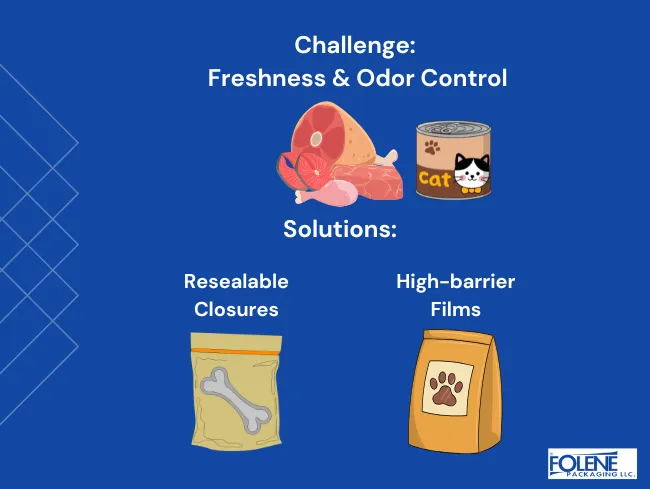
Anyone in the industry knows: pet food can be aromatic (sometimes overwhelmingly so), and freshness is non-negotiable for pet parents, who want the best for their family members. When properly applied, shrink film creates a tight, sealed environment that locks in scents and flavors, helping to preserve the flavor of the pet food. It acts as a protective cocoon, keeping freshness in and unwanted odors out until the package is opened at home.
Maintaining product integrity is essential to ensure the food’s quality and safety for pets.
2. Protection & Barrier Properties
Pet food requires serious protection from moisture, oxygen, and light—otherwise, you risk spoilage and unhappy customers (both two- and four-legged). Modern shrink films are engineered with robust barrier properties, including strong resistance to punctures and tears, helping block humidity and oxygen and shield the food from light. This means a longer shelf life and more reliable product quality, thanks to the high performance of today’s shrink films in maintaining product integrity.
3. Durability and Strength
Packaging gets tossed around a lot—from factory floors to delivery trucks to pantries. Trays are another packaging solution commonly used for wet pet food, offering durability and portion control. Shrink film’s flexibility and strength mean it can absorb bumps and scrapes without puncturing or tearing. It’s particularly useful for bundling multi-packs or reinforcing bulk bags, reducing damage during transit and on the store shelf, making it a versatile packaging solution for various pet food formats.
4. Resealability
Pet owners have come to expect the convenience of resealable pet food packaging, especially when buying bulk or value packages. Okay, shrink film by itself doesn’t reseal—but here’s the trick: it’s often used as a secondary layer over resealable bags or containers, which can include easy open features that enhance user convenience. This keeps the product secure and tamper-evident until the first use. After that, consumers can rely on the primary packaging’s zipper or lid to keep things fresh, combining these solutions to address consumer needs for convenience and product protection.
5. Sustainability and Environmental Concerns
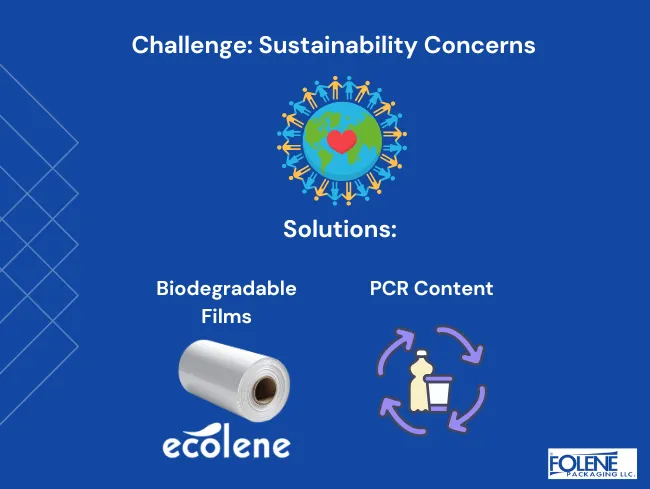
There is increasing demand for sustainable packaging, including recyclable, compostable, or otherwise eco-friendly pet food packaging. However, balancing sustainability with the need for strong barrier properties is an ongoing technical challenge. Modern shrink films incorporate post consumer recycled materials, making them more environmentally responsible.
Biodegradable shrink film options also give pet food manufacturors the flexibility of a high-performance packaging materials with low environmental impact. Recyclable packaging and the ability to recycle materials help reduce environmental impact and waste, supporting more sustainable waste management and eco-conscious practices.
These innovations also support the circular economy and sustainability goals by reducing reliance on virgin plastics and promoting the use of recycled content, ultimately minimizing environmental impact and supporting responsible packaging initiatives.
6. FDA Regulatory Compliance for Pet Food Packaging
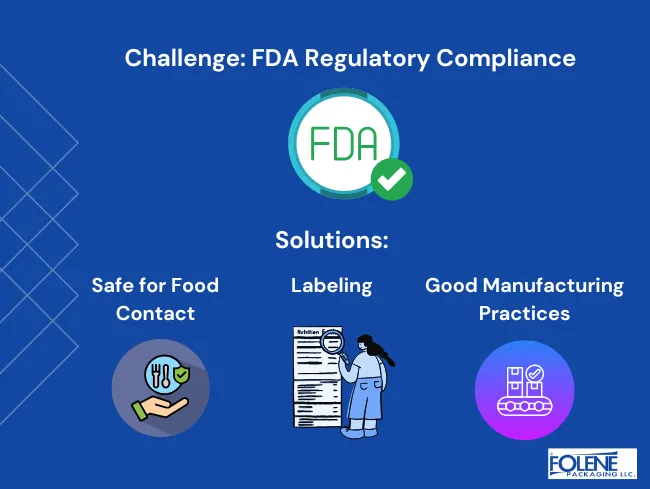
Now, let’s talk compliance—the topic that keeps many packaging pros up at night. In the U.S., the FDA oversees pet food and human food packaging with a fine-tooth comb, making food safety a top priority for both pets and humans. Here are the big must-haves:
Food Contact Safety: Packaging materials must be FDA-approved for food contact (think 21 CFR Parts 174 and 177). This ensures no harmful substances migrate into the pet food or human food, supporting food safety and consumer protection.
Good Manufacturing Practices (GMPs): Packaging production must be sanitary and well-controlled (21 CFR Part 110/507).
Labeling: Packages need clear, accurate information per 21 CFR Part 501.
Preventive Controls: Under FSMA (21 CFR Part 507), manufacturers must identify and address hazards, including those from packaging.
Quality shrink films are specifically engineered to meet these standards, giving brands confidence that their packaging won’t run afoul of regulations.
7. Differentiation and Shelf Appeal
Ever notice how much the pet food aisle pops these days? That’s no accident. Shrink film can be printed with high-resolution graphics and bold branding, helping enhance brand identity and visibility. Glossy finishes and bright colors catch the eye, and the flexibility of film makes it easy to achieve creative shapes and multi-pack bundles that stand out on crowded shelves.
We offer a full range of packaging formats, including stand up pouches, which provide additional shelf appeal and convenience for retail display.
8. Portion Control and Convenience
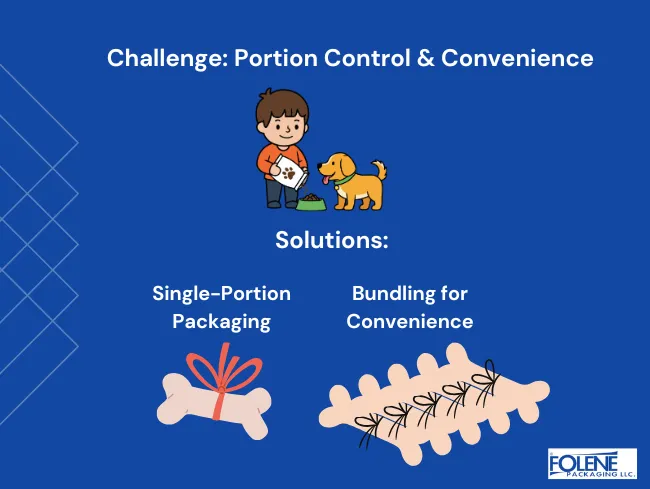
Consumers love portioned packs—for travel, for treats, or just to keep things tidy. These packs are especially useful for both wet food and dry pet food products, helping to maintain freshness and portion control. Shrink film is versatile and makes it simple to package treats individually as well as bundle single-serve or treat-sized packs, making it easy to offer variety packs or convenient grab-and-go options that can be customized to the specific needs of different customers and pet food products.
Proactive Pet Food Packaging Solutions
The pet food packaging landscape is full of hurdles, but shrink film is proving itself as a versatile, cost-effective solution for many of them. It keeps food fresh, withstands tough handling, supports sustainability goals, and meets strict FDA requirements for maintaining pet food sanitation, quality, and freshness. As the industry continues to evolve, expect shrink film to keep playing a starring role on the packaging stage, one bag (or bundle) at a time. Ready to up your pet food packaging game? Contact Folene Packaging today!