Understanding Recycling Basics
Recycling is an essential industry that helps conserve natural resources and reduce waste in landfills. Unfortunately, misinformation and recycling myths abound. Understanding the recycling process is crucial to making a positive impact on the environment. The recycling symbol, also known as the chasing arrows, is often misunderstood — it doesn’t necessarily mean an item is recyclable, but rather that it’s made from recyclable materials. China was once the primary importer of US recyclables, but after China’s import ban on recyclables, the US was prompted to improve domestic recycling infrastructure, reduce contamination, and develop local markets for recycled materials.
Recycling programs vary by location, so it’s important to check if your local program accepts certain materials, such as plastic bags, aluminum cans, and scrap metal. By recycling, we help reduce the amount of trash sent to landfills, which in turn reduces greenhouse gas emissions and helps mitigate climate change. Additionally, recycling cuts down the energy needed to produce new raw materials, resulting in significant environmental benefits. Clean recyclables are essential, as contamination can cause entire loads to be rejected or sent to the landfill. Recycling facilities rely on machines to efficiently sort different types of recyclables, ensuring materials are properly separated for processing.
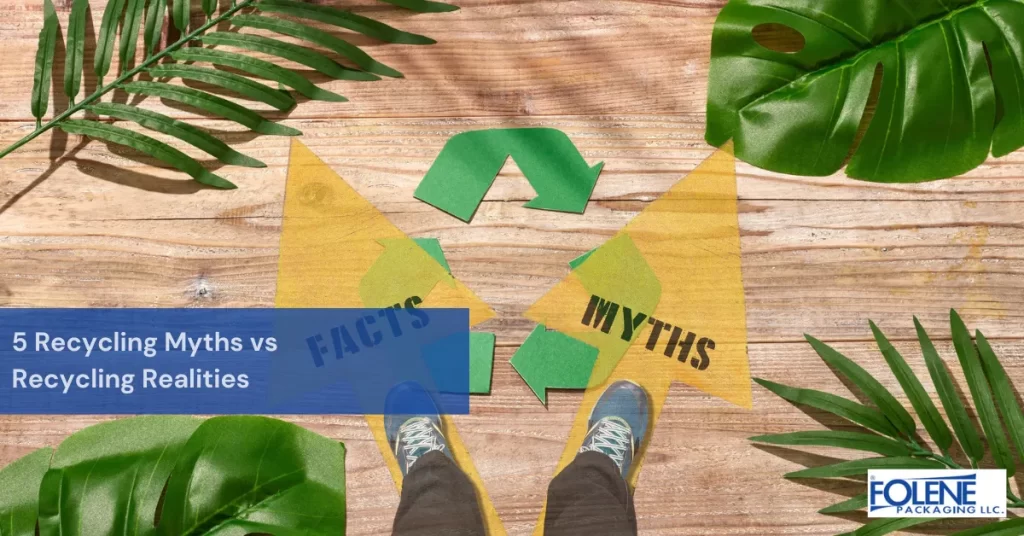
Developing strong domestic markets for recycled materials is crucial to ensure that recyclables are actually reused and not landfilled. Recycling is a cornerstone of sustainable living, yet confusion and misinformation abound. The persistence of the “recycling myth” is fueled by public misunderstanding, manufacturer greenwashing, unclear recycling guidelines, and inconsistent regulations from state to state. Some companies may mislead consumers about the recyclability of their products, contributing to confusion. Here, we tackle five common recycling myths and set the record straight with the facts.
Recycling Myth #1: “Everything with a recycling symbol can go in the bin.”
Reality:The recycling symbol doesn’t always mean a product is recyclable in your area. Packaging with the “chasing arrows” logo may be made from recyclable material, but local facilities might not accept it. Not all plastic items and plastic products are recyclable, even if they have the symbol. For example, some plastics and multi-layered materials (like chip bags) are not processed by many municipal programs. Electronics are another example of items that should not be placed in the recycling bin. Always check your local guidelines before tossing items in the recycling bin. Items not accepted by recycling programs should be placed in the garbage.
Recycling Myth #2: “If I’m unsure, it’s better to recycle it just in case.”
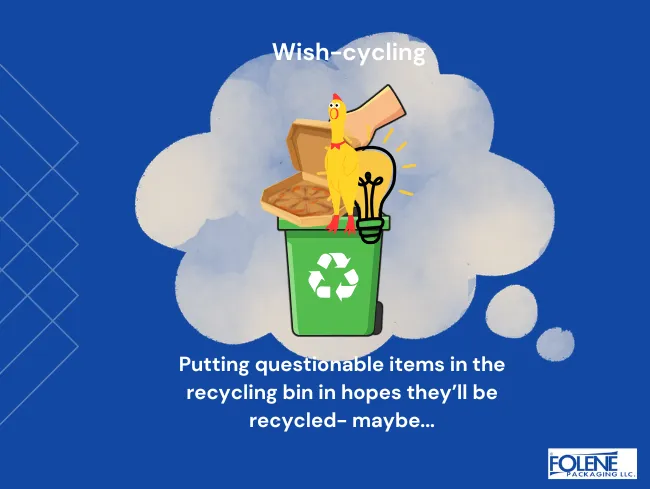
Reality:Wish-cycling—putting questionable items in the recycling bin in hopes they’ll be recycled—can actually do more harm than good. Contaminants like greasy pizza boxes or non-recyclable plastics can spoil entire batches of recyclables, sending them to the landfill. In many cases, contaminated recyclables are landfilled rather than recycled, which defeats the purpose of recycling efforts. When recycling containers, be sure to remove the rest of any food or liquids before placing them in the bin. Avoid throwing non-recyclable items into the recycling bin, as this increases contamination. When in doubt, it’s better to leave it out. Improperly sorted items may be thrown out and not recycled.
Recycling Myth #3: “Recycling is the same everywhere.”
Reality:
Recycling rules vary widely by location. What’s accepted in California may not be accepted in Colorado, and rural areas often have different capabilities than cities. Inconsistent laws and regulations mean that some communities recycle more materials than others, and access plays a significant role: 68% of urban residents recycle, compared to only 55% in rural areas. Always consult your local recycling program for specific instructions on how to properly dispose of your materials.
Recycling Myth #4: “Recycling doesn’t make a difference—most of it ends up in the landfill anyway.”
Reality:While skepticism exists—especially with plastics—recycling does divert significant waste from landfills and conserves resources. Waste that is landfilled can persist for decades, contributing to long-term environmental problems. According to recent surveys, most companies have expanded their recycling programs, and recycled content is increasingly used in packaging and products. However, successful recycling depends on proper sorting and public participation. Reuse is an important first step before recycling, helping to reduce waste and prevent items from ending up in landfills.
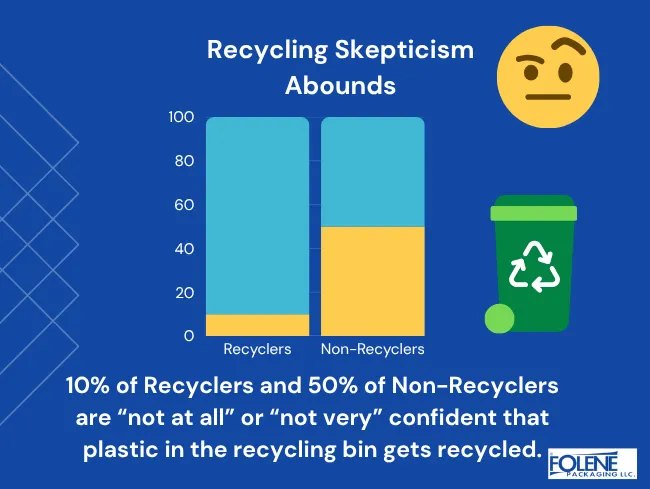
Consumer uncertainty (45% cite lack of knowledge as a barrier) highlights the need for better education, rather than abandoning recycling efforts. When contamination sends recyclables to a landfill, it increases the amount of waste that is landfilled. Proper recycling practices reduce the amount of waste that is landfilled and support the market for recycled materials.
Recycling Myth #5: “Brands are always transparent about recycled content.”
Reality:
Manufacturer greenwashing—using misleading claims about recycled or recyclable content—is a real concern. Up to 60% of consumers aren’t sure which brands genuinely use recycled materials. Look for credible third-party certifications or specific recycling claims, not just vague logos. Brands that use recycled content and communicate it clearly can stand out, as 75% of consumers are more likely to buy from companies with recycled packaging.
Paper and Cardboard Recycling
Paper and cardboard are among the most commonly recycled materials, but not all paper products are created equal when it comes to recyclability. Clean cardboard boxes, office paper, and newspaper are widely accepted in most recycling programs, while items like paper towels, napkins, and tissue boxes may not be recyclable due to contamination from food residue or other chemicals.
Pizza boxes, for example, are often rejected if they are greasy or soiled, as food residue can disrupt the recycling process and lower the quality of the recycled material. To ensure that paper and cardboard are properly recycled, it’s important to remove any non-paper components, such as plastic windows or tape, and keep materials dry and free from contaminants. By recycling clean paper products and cardboard, we help reduce the demand for new raw materials, save energy, and support the production of sustainable packaging.
Always check with your local program to confirm which paper and cardboard items are accepted, and remember that clean, sorted recyclables are more likely to be successfully processed at recycling facilities.
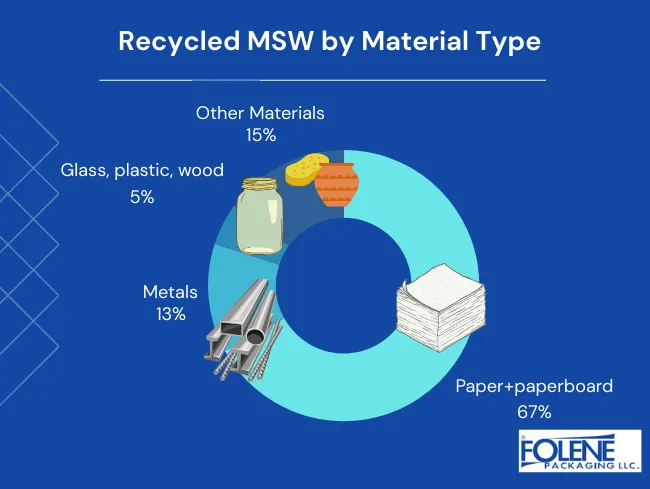
Composting and Biodegradable Products
Composting offers a natural way to manage organic waste, turning food scraps, yard trimmings, and certified compostable products into nutrient-rich soil. Unlike traditional recycling, which focuses on materials like plastic, glass, and aluminum, composting is designed for biodegradable materials that break down through natural processes. Compostable products, such as certain bags and containers, must meet strict standards to ensure they decompose safely without leaving harmful residues.
Biodegradable packaging, like Folene’s Ecolene® AP-XEC biodegradable film, provides an innovative solution for businesses seeking to neutralize their plastic footprint. These materials are engineered to break down in composting environments, helping to divert organic waste from landfills and reduce greenhouse gas emissions. It’s important to distinguish between compostable and recyclable items—while both offer environmental benefits, they require different disposal methods. By choosing compostable products and participating in composting programs, companies and consumers can play a key role in building a more sustainable, circular economy.
Reducing Waste and Conservation
Reducing waste is a cornerstone of environmental stewardship and resource conservation. Beyond recycling, businesses and individuals can make a significant impact by minimizing the amount of material they use and throw away. Strategies such as choosing sustainable packaging, reusing containers, and selecting products with minimal or recyclable packaging help conserve raw materials and reduce the strain on landfills. Energy and water conservation are also critical—manufacturing new products from recycled materials typically requires less energy and water than producing them from virgin resources.
By adopting waste reduction practices and supporting companies that prioritize sustainable packaging, such as those using polyolefin shrink film with high PCR content or biodegradable options, we can collectively decrease greenhouse gas emissions and protect valuable resources. Every step toward reducing waste and conserving resources contributes to a healthier environment and a more resilient global economy.
Recycling Best Practices
Maximizing the benefits of recycling starts with following best practices at every stage of the recycling process. Proper sorting is essential—separating recyclable items like plastic containers, aluminum cans, and glass from trash and other materials helps prevent contamination and ensures that recycling facilities can efficiently process the materials. Cleaning recyclables to remove food residue and other contaminants increases the likelihood that they will be accepted and successfully recycled. Staying informed about what your local program accepts is crucial, as recycling guidelines can vary widely.
Supporting recycling markets by purchasing products made with recycled content helps close the loop and encourages further investment in recycling infrastructure. Businesses can also partner with suppliers who offer sustainable packaging solutions, such as custom film conversion and biodegradable shrink film, to further reduce their environmental impact. By adopting these best practices, we can all contribute to a more effective recycling system and a greener future.
Why Do Recycling Myths Persist?
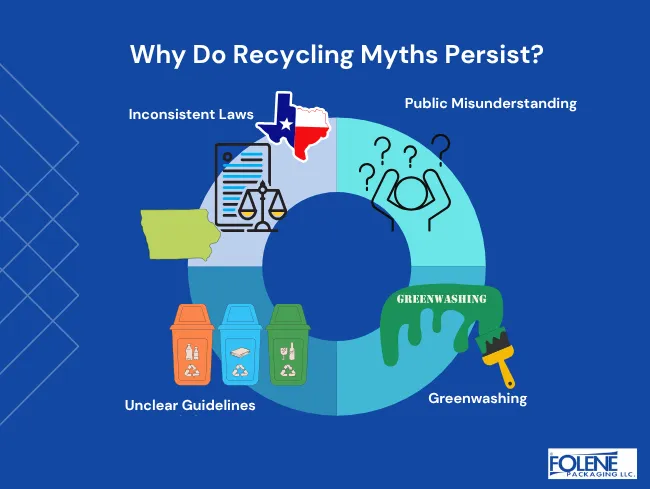
The spread of recycling myths is due to several factors:
Public misunderstanding: Many people lack clear information about what can and cannot be recycled.
Greenwashing: Some manufacturers exaggerate their recycling claims, causing confusion.
Unclear guidelines: Directions such as “remove labels from bottles” or “rinse containers” vary by location and are often not clearly communicated.
Inconsistent laws: With different rules in each city or state, consumers are left guessing.
Solutions to Persisting Recycling Myths
Addressing the recycling myth at its core requires changes across the supply chain and clearer communication to consumers. The most effective solution is for manufacturers to use materials that are clearly marked as compostable or biodegradable—ideally, materials that decompose on their own without special treatment. This approach circumvents recycling confusion entirely, as consumers can dispose of these products with confidence, knowing they will break down naturally.
The next best solution is for brands to print clear, standardized recycling instructions directly on recyclable materials. Adding a smart recycling QR code that links to a real-time, zip code-specific guide can empower consumers to instantly verify if and how an item should be recycled in their area. This level of transparency eliminates guesswork and provides consumers with the certainty they need to recycle properly.
Folene Packaging is a leader in this space, offering biodegradable and 100% recyclable shrink packaging film. By providing packaging that is both eco-friendly and high-performing, Folene empowers brands to package their products responsibly without sacrificing quality. Their commitment to innovation sets an example for how manufacturers can help solve recycling challenges at the source.
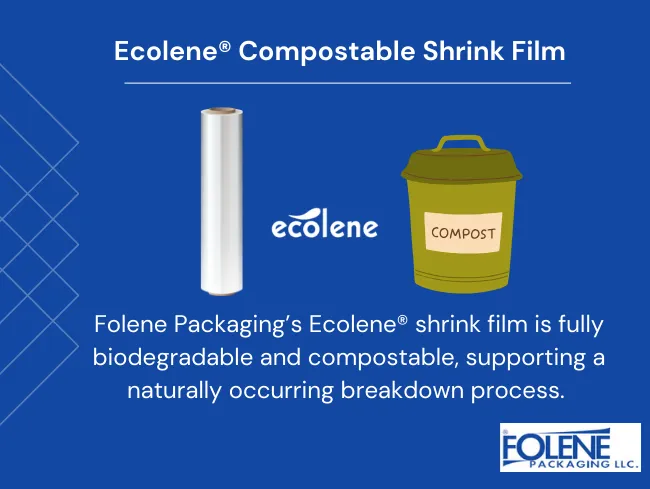
Composting and Organic Materials
Composting is an important part of the recycling process, helping to reduce the amount of food waste sent to landfills and creating a nutrient-rich soil amendment. Organic materials, such as food scraps and yard trimmings, can be composted as long as they are free of contaminants like plastic and metal. The breaking down of organic materials in composting requires both oxygen and heat, which are often lacking in landfills. Composting helps reduce greenhouse gas emissions and supports a more circular economy.
Certified compostable products, like bags and containers, can also be composted if they meet standards set by reputable third-party organizations. Not all biodegradable items are suitable for compost bins, so it is important to follow proper composting practices to prevent contamination and environmental harm. Composting is a simple and effective way to reduce waste and support a more sustainable environment. When organic materials end up in landfills, the absence of oxygen leads to slower decomposition and the production of methane, a potent greenhouse gas.
Reducing Waste and Conservation
Reducing waste is key to conserving natural resources and supporting a more circular economy. Besides recycling, other conservation efforts—like minimizing energy and water usage—support a sustainable environment. Rinsing recyclables uses minimal water compared to the significant water waste involved in producing new materials from scratch. By reducing what we throw away and conserving resources, we can significantly decrease greenhouse gas emissions and support a healthier planet.
Effective Recycling Practices
Effective recycling starts with sorting and processing materials correctly to reduce contamination and increase the amount of material actually recycled. Well-designed and managed recycling programs and facilities are crucial, but education and outreach are equally important. They increase participation in recycling programs and reduce contamination. Recycling is also considered an essential industry by the Department of Homeland Security, highlighting its importance to national infrastructure and the economy.
By following best recycling practices, we can help create a more sustainable environment and reduce our impact on the planet.
Conclusion
Busting the recycling myth requires better education, transparency from brands, and clearer local guidelines. By understanding the realities behind common recycling myths, we can all make smarter choices that truly benefit the environment.