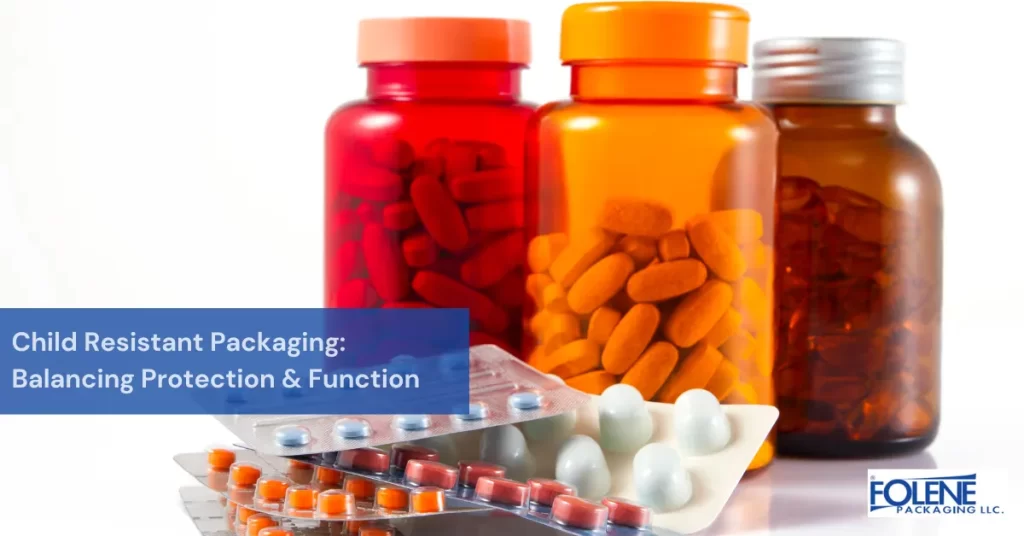
Introduction to Child Resistant Packaging
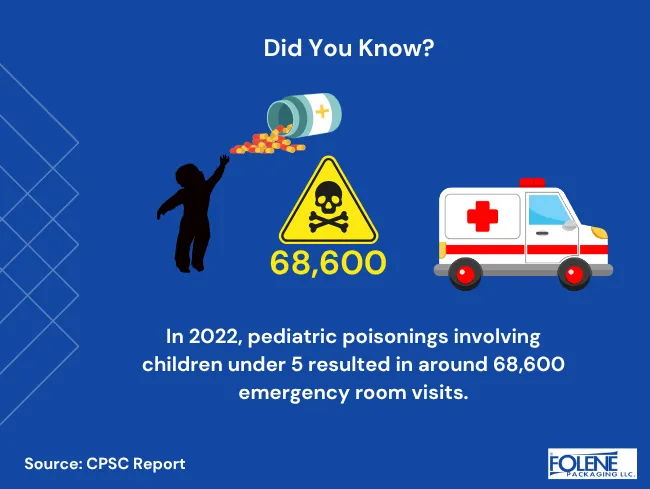
Child resistant packaging has become a critical component in modern product safety, especially when it comes to preventing accidental ingestion of hazardous substances. From prescription medications to household chemicals, the need for secure packaging is driven by significant safety concerns: accidental poisoning, overdose, and, particularly, the increased risk posed by cannabis edibles and similar products. The tragic reality is that children are naturally curious, and even a momentary lapse in supervision can lead to devastating consequences. As a result, child resistant packaging is designed to be significantly difficult for children under five years of age to open, while remaining accessible for most adults.
Regulatory Framework and the Poison Prevention Packaging Act
The legal foundation for child resistant packaging in the United States is the Poison Prevention Packaging Act (PPPA) of 1970. Enforced by the Consumer Product Safety Commission (CPSC), this law mandates that prescription drugs, certain over-the-counter medications, dietary supplements, and an array of household chemicals must be sold in child resistant packaging. Child resistant packaging is defined in federal regulations, such as CFR 1700, as well as international standards in the ISO 8317:2015, to clarify compliance requirements.
The PPPA’s intent is clear: reduce accidental poisonings among children by making it harder for them to access dangerous substances. Over the years, the law has expanded to cover new products, including nicotine and cannabis products, reflecting evolving public health concerns.
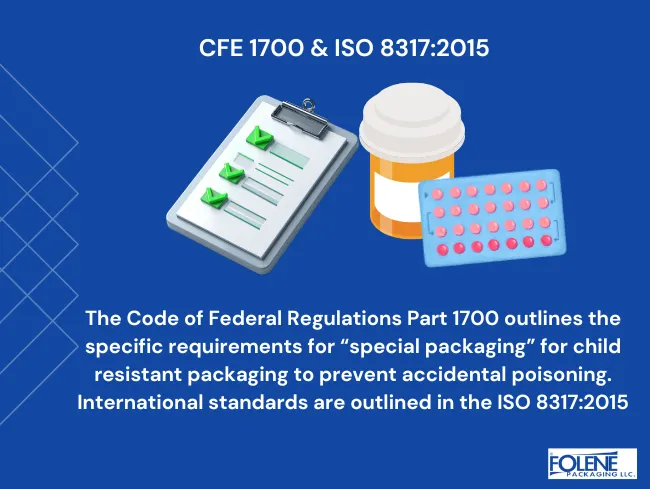
Law requires child resistant packaging for pesticides under the Federal Insecticide, Fungicide, and Rodenticide Act (FIFRA), with the federal insecticide and rodenticide act serving as key regulations. There is a joint undertaking between the EPA and CPSC in developing and maintaining child resistant packaging guidelines, and pesticide programs are an important part of regulatory compliance.
Products packaged for human use or intended for human consumption, such as drugs and household chemicals, must meet specific packaging standards. The manufacturer is responsible for ensuring that packaging and label instructions comply with all relevant regulations. Standard classification and ASTM type systems are used to categorize child-resistant packages, and CR packaging is tested and certified in accordance with these standards. The effectiveness of these regulations is reflected in reduced child poisoning rates since the implementation of the Poison Prevention Packaging Act. The CPSC works closely with industry stakeholders to develop and refine best practices, ensuring that child resistant packaging continues to meet safety goals while remaining practical for everyday use.
Designing Child Resistant Packaging: Balancing Safety and Accessibility
The design of child resistant packaging presents unique challenges. Packaging must be robust enough to thwart young children’s attempts to open it, yet not so complex that it frustrates adults, especially seniors or those with limited dexterity. Selecting the proper closures and design features is essential to ensure both safety and accessibility. For example, push-and-turn caps on prescription bottles and blister packs for pills are common forms of child resistant packaging. These mechanisms require coordinated actions that are difficult for children but manageable for most adults.
However, this balance isn’t always easy to strike. Seniors and individuals with arthritis or disabilities may struggle with traditional child-resistant packaging, raising concerns about medication adherence and accessibility. Advances in the manufacture of child resistant packaging have enabled the development of ergonomic and accessible solutions. To address this, manufacturers are investing in new solutions, such as ergonomic caps, squeeze-and-pull mechanisms, and packaging that combines resistance with ease of use for those with limited hand strength.
Child-Resistant Packaging Examples
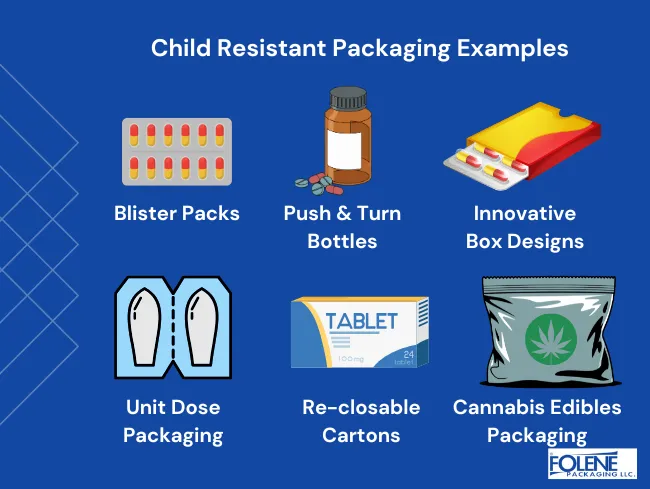
Blister packs: Commonly used for cold medications, these require pressing a pill through a foil backing, which is difficult for small children. These packs are designed to securely contain and protect various forms of medicine.
Push-and-turn bottles: Seen with prescription drugs, these require a combination of downward pressure and twisting to open. In some child-resistant aerosol packaging, a plastic sleeve or container houses the aerosol bottle and pump. The raised bottle with a pump is accessed by consumers through a child-resistant cap, providing an extra layer of safety for medicine.
Proprietary carton and box designs: Some innovative CR packaging solutions use a proprietary carton design that incorporates a plastic tray housed within a sturdy cardboard box, such as locked4kids. The box acts as a protective outer shell, holding and securing the inner tray that contains medicine, ensuring both safety and product integrity.
Re-closable cartons with child-resistant mechanisms: Re-closable cartons are increasingly used in pharmaceutical packaging for their versatility, security, and branding benefits. These cartons often feature child-resistant mechanisms and are designed to protect blister packs or other forms of medicine, while also facilitating user-friendly access and supporting brand presentation.
Cannabis edibles packaging: Many states mandate resealable, opaque, and child resistant packaging for gummies and chocolates to prevent accidental ingestion by children.
Unit dose packaging: Each pill or dose is individually sealed, which reduces the risk of a child accessing multiple doses at once.
Packaging Materials and Mechanisms
The effectiveness of child resistant packaging relies heavily on the selection of appropriate materials and the integration of specialized mechanisms. According to the Consumer Product Safety Commission (CPSC), special packaging must be significantly difficult for children under five years old to open or obtain a harmful amount of the substance within a reasonable time, while remaining accessible to most adults. This standard is at the heart of the Poison Prevention Packaging Act, which mandates the use of child resistant containers for products such as over the counter medications, prescription drugs, and household chemicals.
Manufacturers must ensure compliance with federal regulations by utilizing packaging materials and mechanisms that have been rigorously tested and approved. Common examples include blister packs, which encase individual doses in a semi-rigid plastic and foil barrier, and reclosable packaging, such as bottles with child resistant zippers or locking caps. These resistant packaging solutions are designed to prevent accidental ingestion of hazardous materials and protect children from serious illness or unintentional poisoning.
The choice of packaging materials—whether plastic, foil, or composite—directly impacts the safety and integrity of the container. For instance, thicker, puncture-resistant plastics and tamper-evident seals add layers of protection, making it significantly more difficult for children to access harmful substances. Manufacturers are also exploring innovative materials and custom designs to address evolving risks and ensure that their packaging meets both safety and regulatory requirements. Ultimately, the right combination of materials and mechanisms is crucial to prevent children from accessing hazardous substances and to maintain public health standards.
Senior Adult Considerations
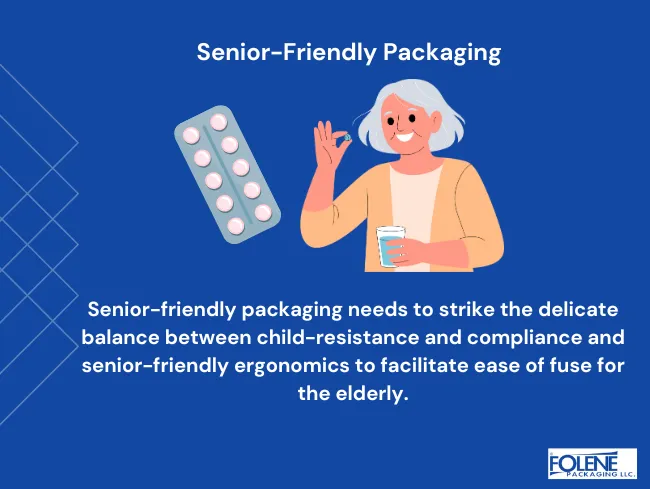
While child resistant packaging is essential for child safety, it is equally important to consider the needs of senior adults and individuals with disabilities. Federal regulations require that child resistant containers be designed so that most adults, including seniors, can access their medications and household products without undue difficulty. This presents a unique challenge for manufacturers, as some traditional resistant packaging—such as blister packs or tightly sealed containers—can be difficult for those with limited hand strength or dexterity.
To address these concerns, the pharmaceutical industry and packaging manufacturers are developing solutions that balance child safety with accessibility. Senior-friendly packaging options include easy-to-open containers, ergonomic designs, and clear, simple instructions that help adults understand how to access their medications safely. Unit dose packaging, for example, allows each dose to be accessed individually, reducing the need for complex opening mechanisms while still complying with child resistant standards.
Custom packaging solutions are also being introduced to accommodate the diverse needs of adults with disabilities, ensuring that safety does not come at the expense of accessibility. By prioritizing both child safety and adult usability, manufacturers can ensure compliance with federal regulations and support the well-being of all consumers.
Testing, Certification, and Industry Applications
Before reaching consumers, child resistant packaging must undergo rigorous package testing. Certified third-party labs simulate the actions of children and adults to ensure the packaging meets regulatory standards. Only packaging that passes these tests receives certification, providing assurance that it effectively balances safety and usability.
Child resistant packaging is used widely across pharmaceuticals, household chemicals, nicotine products, and increasingly, cannabis and CBD products. The pharmaceutical industry, in particular, has been a pioneer in developing innovative packaging solutions that meet both safety and accessibility needs.
Benefits of Shrink Packaging Film in Child Resistant Packaging
Shrink packaging film serves as an added layer of defense in child resistant packaging, particularly in the pharmaceutical industry. When applied over containers or packages, shrink film forms a tight, tamper-evident seal that provides clear visual evidence if the package has been opened or compromised. This not only deters tampering but also acts as a secondary barrier, making it more difficult for young children to access hazardous contents.
Benefits of using shrink packaging film in pharmaceutical packaging include:
Enhanced Tamper Evidence: Shrink bands or films instantly show signs of removal or tampering, giving consumers and caregivers confidence in product integrity.
Added Layer of Child Resistance: While not a primary child resistant feature on its own, shrink film can make opening a package more challenging for children, especially when combined with other child resistant mechanisms such as push-and-turn caps.
Cost-Effective and Versatile: Shrink packaging can be applied to a variety of container shapes and sizes, making it adaptable across different product lines.
For example, many prescription bottles feature both a child resistant closure and a shrink band around the lid. To access the contents, a user must first remove the tight shrink film, then engage the child resistant cap—two separate actions that significantly reduce the risk of accidental ingestion. In the case of liquid medications, shrink-wrapped neck bands not only reinforce child resistance but also help prevent accidental spills or leaks.
The impact of child resistant packaging is clear: it has contributed to a significant decline in accidental poisonings among children since the 1970s. For parents and caregivers, such packaging offers vital peace of mind. Nevertheless, challenges remain, especially in making packaging accessible to senior adults and people with disabilities. The future of child resistant packaging lies in continued innovation—developing new materials, smarter packaging mechanisms, and inclusive designs that protect children without compromising adult access.
Conclusion
Child resistant packaging is a cornerstone of public health and safety, essential for preventing accidental ingestion of hazardous materials. Supported by robust regulations like the Poison Prevention Packaging Act and guided by continuous innovation, child resistant packaging will remain a vital safeguard for families. As manufacturers and regulators work together, the goal is clear: safer, smarter, and more accessible packaging for everyone.