Using Zero Waste Shipping Packaging Solutions Effectively
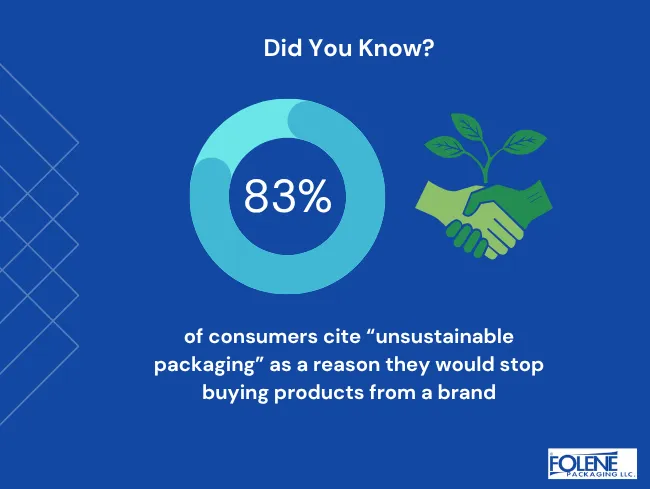
The facts are in: consumers care a lot about the environmental impact of how their products are shipped. One of the best ways to ensure minimal impact on the environment is to invest in using zero waste shipping and packaging materials. This solution is a win-win-win for the customers, the environment, and your business. Folene Packaging’s experts breaks down zero waste shipping materials and how to make them work for your business.
Why is Zero Waste Shipping Important?
Implementing zero waste shipping practices can significantly reduce waste and promote sustainability, making eco-friendliness an attainable corporate goal and viable reality. Companies can support these initiatives by using eco-friendly packaging materials, such as recycled cardboard, paper packaging, and other recycled materials, which help minimize waste streams. In addition, auditing the amount of necessary packaging material and excluding excess to minimalist packaging, contributes to successful zero waste shipping. By adopting these practices, businesses not only contribute to environmental preservation but also demonstrate their commitment to sustainable operations.
Types of Sustainable Packaging Materials
Sustainable packaging materials include recyclable plastic packaging, paper packaging, and biodegradable packaging materials. Often, packaging “fillers,” such as the classic packing peanuts or bubble wrap can be very environmentally unfriendly and generate excess packaging waste. Sometimes, a different combination of packaging materials can acheive the same purpose with less waste.
That was the case for one auto-parts manufacturer that shifted from cardboard boxes filled with packing peanuts to packaging parts with heavy-duty shrink wrap on top of a piece of cardboard. They instantly cut out tons of excess packaging material that was harming the environment while effectively protecting their products with zero waste shipping packaging materials.
Repurposed packaging materials, such as high-PCR content shrink films, can be another excellent zero-waste alternative, as they further the lifecycle of materials that have already been used. Kraft paper, recycled cardboard, compostable items, and dissolvable packaging materials are also excellent zero-waste options. Using durable, reusable packaging materials can help reduce waste and minimize the environmental impact of shipping.
Reducing Plastic Packaging Waste: Auditing Your Packaging Needs
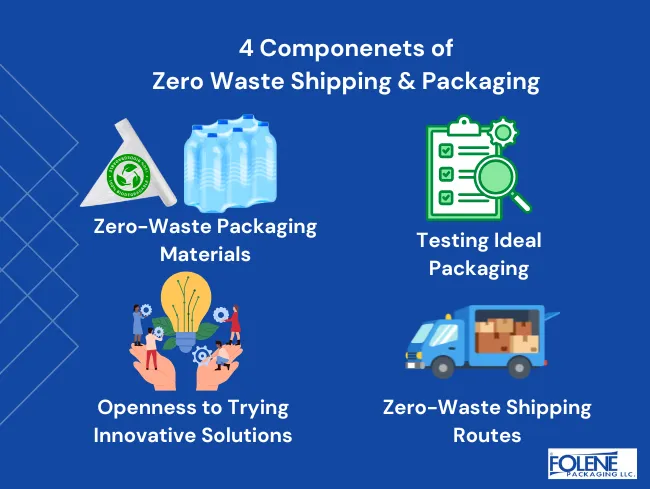
Focusing on effective, sustainable packaging solutions is key to achieving the ideal balance of product protection and zero plastic waste packaging. Test your packaging for performance and quality control.
Is the current packaging solution working well or does it need tweaking? Is the product adequately protected, or do you need more robust packaging? Or the opposite- is the product overpackaged with excess materials that you could minimize? Would using a different sustainable packaging material alternative offer the same or better protection to your product? Would a different combination of packaging materials produce less waste than your current packaging solution?
These are important questions to consider when designing your packaging. Test your packaging to ensure it really is serving your product in the best way possible. Be open to the possibility of change, as new technologies continue to emerge with more sustainable options to support zero waste shipping.
Eco-Friendly Shipping Solutions
Zero-waste shipping goes beyond the actual materials you use to package the product. Planning energy-efficient shipping methods and routes can help reduce the environmental impact of shipping. For example, Amazon encourages consumers to choose an “Amazon Day” which allows the company to consolidate multiple smaller orders into a single larger delivery on a single day of the week. This helps reduce packaging waste and carbon emissions, as well as lowering shipping costs and logistics strain. Smaller companies can still offer a similar consolidation option to customers to promote zero waste shipping. Implementing a zero-waste shipping policy can help companies reduce their environmental footprint. Try it for your company and see how it works.
Cost-Effective Zero Waste Shipping
Cost-effective zero waste shipping practices offer companies a valuable opportunity to reduce their environmental footprint while also saving money. By using recycled materials and eco-friendly packaging, businesses can minimize waste and reduce packaging costs. Additionally, implementing a zero waste shipping policy not only promotes sustainability but also helps streamline operations. Employing energy-efficient shipping methods and optimizing delivery routes further reduces fuel costs and lessens the overall environmental impact of shipping.
How Folene Packaging Supports Zero Waste Shipping
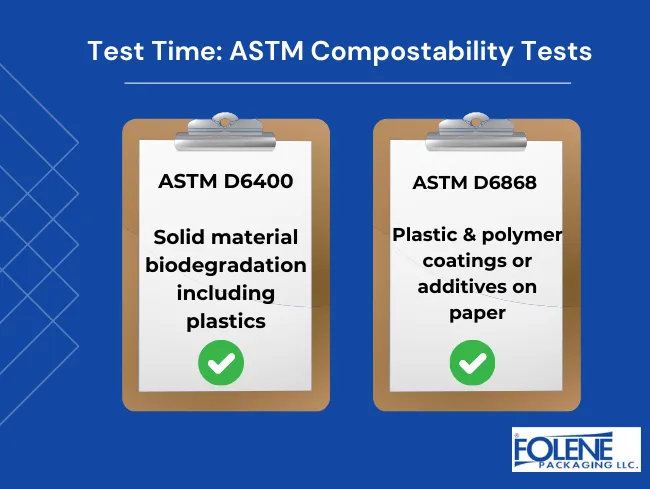
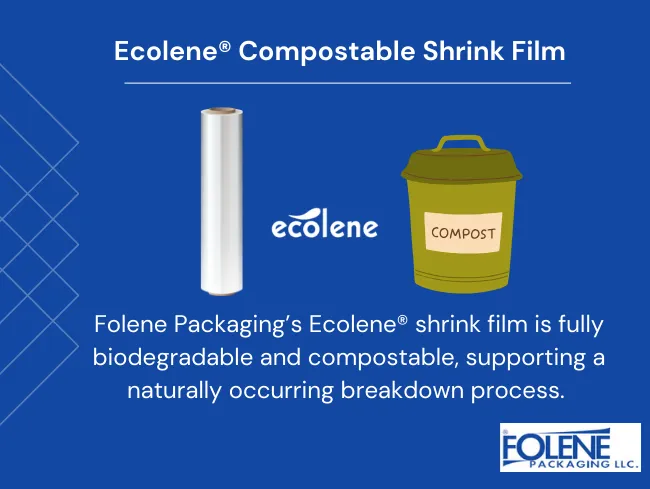
Folene Packaging is proud to offer innovative shrink films that play a vital role in supporting zero-waste shipping and packaging initiatives. Our Ecolene biodegradable film line provides an eco-friendly alternative that breaks down naturally, reducing landfill impact and promoting sustainability.
Additionally, our high-PCR (post-consumer recycled) content films extend the life cycle of recycled materials, helping minimize plastic waste without compromising product protection. By choosing Folene Packaging’s sustainable shrink films, businesses can shrink their carbon footprint while maintaining quality and efficiency. Ready to take the next step? Contact Folene Packaging experts today to start your journey toward zero-waste shipping and packaging solutions tailored to your business needs.