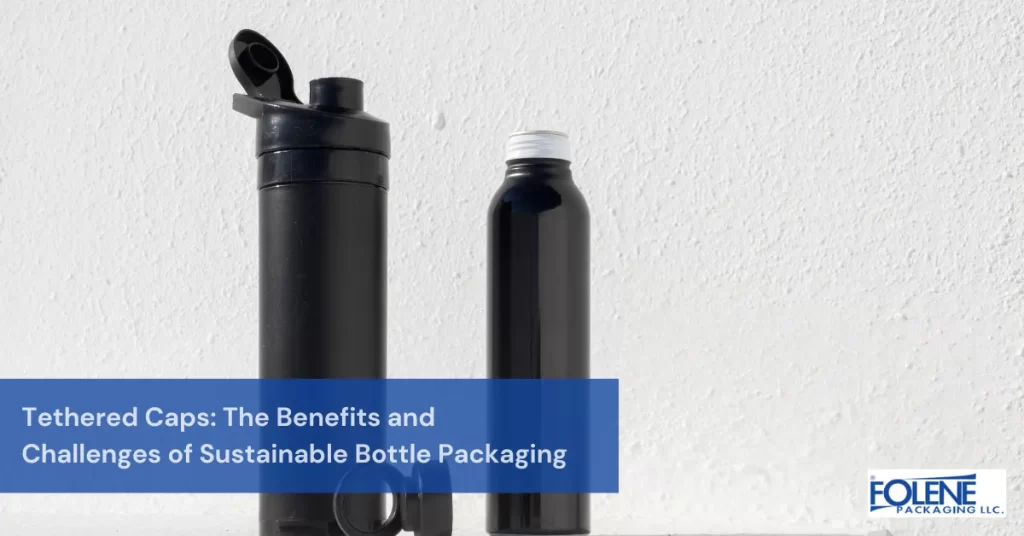
Tethered Caps: The Benefits and Challenges of Sustainable Bottle Packaging
Introduction to Tethered Caps
Tethered caps are designed to keep lids attached to beverage containers, effectively reducing plastic waste and litter. The European Union has mandated the use of tethered caps on single-use plastic beverage containers to minimize environmental impact and promote a circular economy. In response, beverage companies such as Coca Cola are introducing tethered caps to comply with these EU regulations. These caps aim to prevent loose caps and lids from becoming plastic litter, supporting waste reduction efforts and enhancing sustainability within the beverage industry.
European Union Regulations
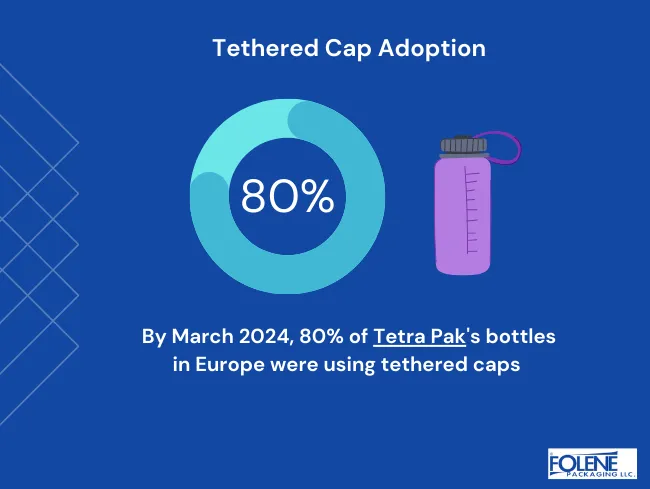
The EU Directive 2019/904 mandates that caps and lids remain attached to single-use beverage containers starting from July 2024, aiming to significantly reduce plastic waste and litter across EU states. This regulation requires beverage companies to comply in order to avoid fines and maintain market access. Consequently, the beverage industry must adapt their packaging designs and production processes to meet these new requirements, embracing tethered caps as a key solution to minimize environmental impact and support sustainability goals.
Design and Functionality
Tethered caps are designed to be convenient and easy to use, featuring tamper-evident bands and secure locking mechanisms to ensure safety and functionality. To guarantee a secure fit, the neck finish of bottles must be compatible with these caps. Made from various materials, including plastic, tethered caps aim to minimize waste and reduce environmental impact. Their design carefully balances convenience, security, and sustainability to meet both consumer needs and comply with EU regulations, supporting the broader goal of reducing plastic litter and promoting a circular economy.
Benefits of Sustainable Packaging
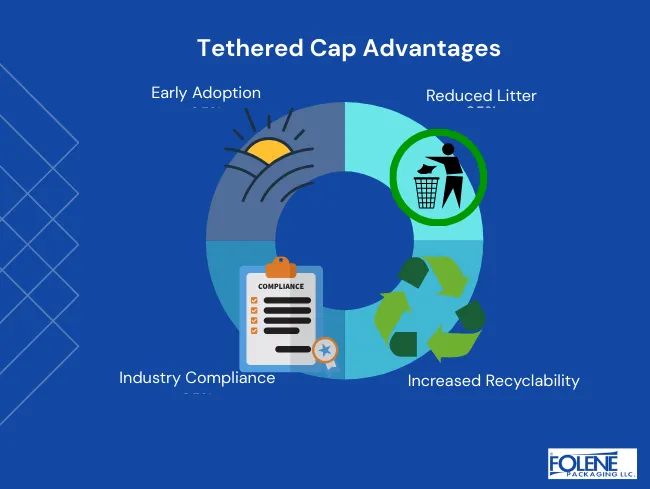
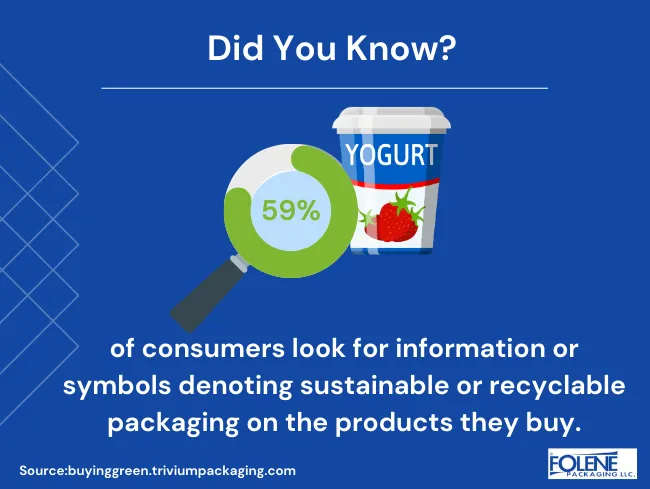
Tethered caps play a crucial role in reducing plastic waste and litter by keeping lids securely attached to beverage containers. These sustainable packaging solutions enable companies to achieve their environmental goals, reduce their carbon footprint, and enhance consumer convenience by preventing lost lids and making drinks easier to consume on the go. Moreover, adopting tethered caps enables companies to improve their brand reputation and appeal to environmentally conscious consumers, aligning their business practices with the growing demand for sustainability.
Challenges of Implementation
The introduction of tethered caps presents several challenges for beverage companies, often requiring substantial investments in production and packaging processes. Unlike traditional loose caps, tethered caps necessitate specialized machinery, such as advanced injection molding equipment, to manufacture the integrated design that keeps the cap attached to the bottle throughout its use. This transition can lead to increased production costs, which may, in turn, affect the retail price of beverages.
For example, companies like Coca-Cola and Tetra Pak have had to upgrade their bottling lines to accommodate these new closures while maintaining efficiency and product safety. Additionally, the design and material selection for tethered caps must meet stringent EU regulations to ensure durability, tamper evidence, and consumer convenience without adding excessive weight or material waste. Some manufacturers are exploring innovative materials, including recycled plastics and biodegradable polymers, to address environmental concerns and reduce the overall carbon footprint of packaging.
Beyond the technical and financial aspects, companies must also manage supply chain adjustments and staff training to handle the new equipment and quality control measures. Despite these challenges, many beverage producers recognize the long-term benefits of adopting tethered caps, such as improved brand reputation among environmentally conscious consumers and compliance with mandatory regulations that protect the environment. Balancing these factors requires a strategic approach that considers both immediate costs and future sustainability goals, illustrating the complex but necessary shift towards more responsible packaging solutions in the beverage industry.
Manufacturing and Production
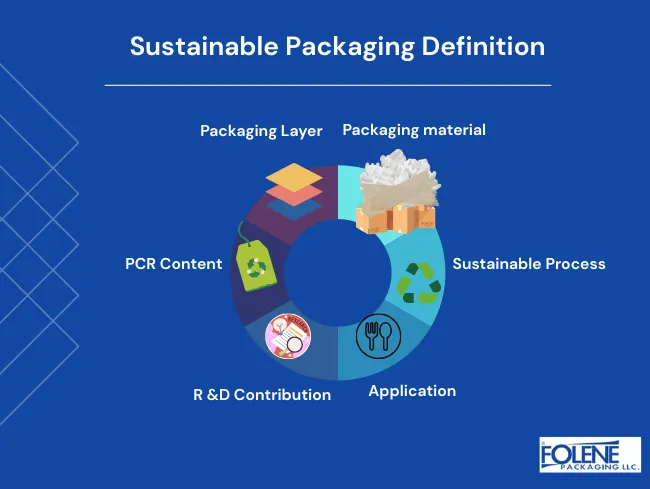
The production of tethered caps requires specialized machinery and equipment, such as injection molding machines, to ensure high standards of quality and safety that meet both EU regulations and consumer expectations. Manufacturers are increasingly focusing on using sustainable materials and eco-friendly production processes to minimize the environmental impact associated with tethered cap manufacturing. To further enhance design, functionality, and cost efficiency, companies must invest in ongoing research and development. These efforts support the broader goal of creating durable, convenient, and environmentally responsible packaging solutions that align with regulatory requirements and consumer demand for sustainability.
Recycling and Waste Management
Tethered caps play a significant role in improving recycling rates by ensuring that lids remain attached to beverage containers, thereby preventing them from becoming litter. The production of these caps often involves recyclable materials, which contributes to waste reduction and supports the development of a more circular economy. To maximize the environmental benefits, companies must collaborate closely with waste management providers to guarantee proper recycling of tethered caps and minimize their contribution to plastic waste. Additionally, consumer education and awareness campaigns are essential to help the public understand the importance of recycling and the advantages of sustainable packaging solutions like tethered caps.
Industry Trends and Innovations
The use of tethered caps is gaining significant traction within the beverage industry as companies increasingly adopt sustainable packaging solutions. Innovations in materials and design are enhancing the functionality and convenience of these caps, making them more user-friendly and environmentally responsible. Advances such as biodegradable materials are emerging to further reduce the environmental footprint of tethered cap production. To stay competitive and meet evolving consumer expectations, companies must remain informed about the latest industry trends and technological developments in sustainable packaging.
Conclusion and Future Outlook
Tethered caps provide a sustainable packaging solution for the beverage industry by effectively reducing plastic waste and litter. The EU directive on single-use plastic beverage containers is set to accelerate the adoption of tethered caps across member states, compelling companies to comply with new environmental regulations. While the benefits of sustainable packaging are clear, companies must carefully balance these advantages against the potential costs and challenges associated with implementing tethered caps. As consumer awareness and expectations around sustainability continue to grow, the widespread use of tethered caps will become increasingly vital for companies aiming to stay competitive and contribute to a more circular economy.