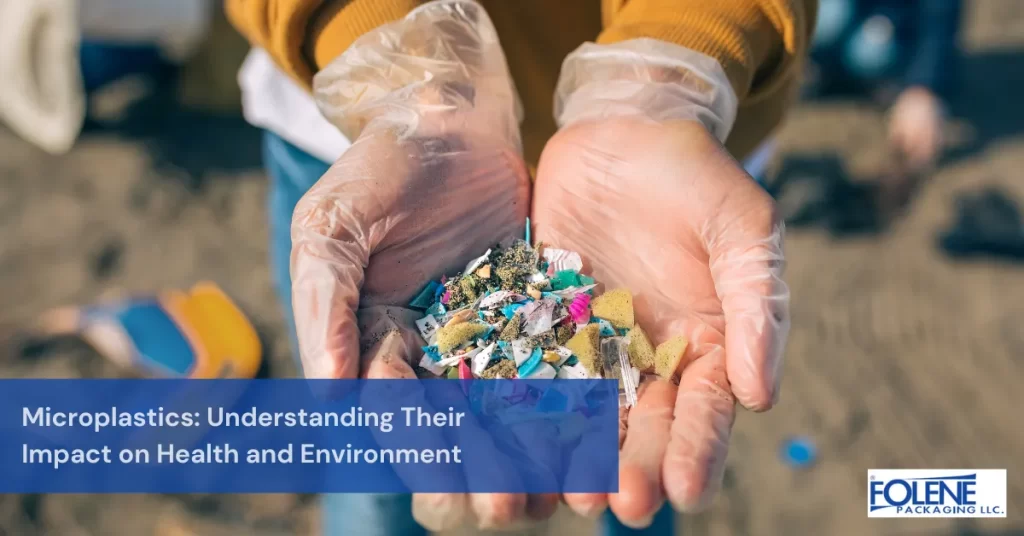
Microplastics: Understanding Their Impact on Health and Environment
Microplastics are tiny plastic particles that result from the breakdown of larger plastic debris and plastic materials into the surrounding environment. Over the last several years, they have emerged as a major concern for both human health and the environment. This widespread plastic pollution has led to the pervasive presence of microplastics in various environmental media, including water and sediment samples, impacting aquatic life and potentially affecting the human body.
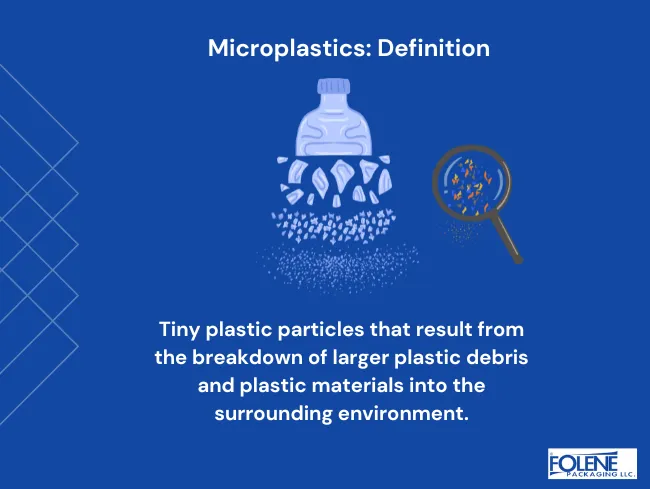
These microplastics originate from primary sources, such as intentionally manufactured plastic microbeads, and secondary sources, including the fragmentation of larger plastic items like plastic packaging and synthetic clothing. Humans are exposed to microplastics through multiple pathways, including ingestion of contaminated food and water, inhalation of airborne particles, and skin contact with microplastic-containing products.
Research indicates that exposure to microplastics can negatively affect the immune system and may contribute to metabolic disorders, with microplastics detected in human tissues such as the gastrointestinal tract. The global scale of microplastic pollution, driven by plastics worldwide and human activities like washing machines and cleaning products, underscores the urgent need to address their sources and distribution. Although the full extent of microplastics’ impact on human health remains under study, their ubiquity and potential to accumulate toxic chemicals demand comprehensive strategies involving improved waste management, reduction of plastic use, legislative action, public education, and technological innovation to mitigate their effects.
Sources and Distribution of Microplastics
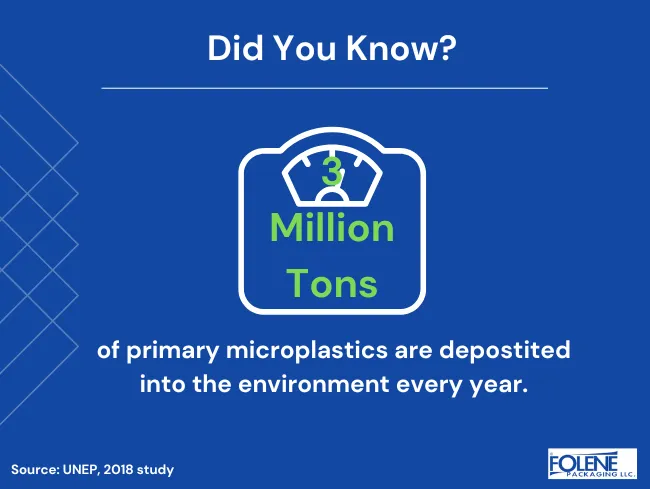
Primary microplastics, such as plastic microbeads, are intentionally manufactured and contribute significantly to microplastic pollution. Secondary microplastics, on the other hand, result from the breakdown of larger plastic items, including plastic packaging and synthetic clothing. These microplastics originate from various sources, including plastic water bottles, car tires, and urban dust, and are widely distributed across different environmental media, such as water, sediment, and air.
Their pervasive presence extends even to remote areas, contaminating the food chain and impacting marine life, including marine organisms and aquatic species. Human activities, including the use of washing machines and cleaning products, further release microplastics into the environment, underscoring the urgent need for proper waste management and reduction of plastic use to mitigate this growing environmental exposure.
Impact on Aquatic Life
Microplastics have been shown to harm aquatic life, including marine organisms and aquatic species, by causing physical damage, toxicity, and behavioral changes that can disrupt entire ecosystems. These tiny particles not only affect individual organisms but also lead to the accumulation of toxic chemicals, such as heavy metals, within the food chain, raising concerns about potential impacts on human health. Animal studies have demonstrated that microplastics can cause reproductive problems and other serious health issues in aquatic species, highlighting the long-term consequences of microplastic pollution. Additionally, the presence of microplastics alters habitats and disrupts the natural balance of ecosystems, underscoring the urgent need for conservation efforts and effective measures to reduce microplastic contamination in the aquatic environment.
Human Exposure to Microplastics
Humans can be exposed to microplastics through various pathways, including ingestion of contaminated food and drinking water, inhalation of airborne microplastic particles, and skin contact with products containing microplastics. These tiny particles have been detected in tap water, bottled water, and even table salt, underscoring the importance of effective water filtration systems and the reduction of plastic use. Additionally, everyday products such as cosmetics and cleaning agents can release microplastics into the environment, further contributing to human exposure. Although research on the health effects of microplastic exposure is ongoing, studies indicate that microplastics can accumulate in the human body, potentially leading to adverse health outcomes.
Health Effects of Microplastics
The health effects of microplastics are still being studied, but existing research indicates that exposure to these tiny plastic particles can lead to the accumulation of toxic chemicals in the human body, potentially causing various health problems. Microplastics have been detected in human tissues, including the gastrointestinal tract, where they have been shown to cause inflammation and other adverse effects in animal models. Additionally, their presence may disrupt the immune system and contribute to the rise of metabolic disorders, underscoring the urgent need for further scientific investigation. Although the complete picture of how microplastics affect human health remains unclear, ongoing research and monitoring are essential to fully understand the risks involved and to develop effective solutions to mitigate these potential health impacts.
Microplastic Pollution in the Environment
Microplastic pollution is a significant environmental concern, with tiny plastic particles found in every corner of the globe, from the deepest oceans to the highest mountains. These microplastics originate from various sources, including plastic waste, plastic production, and human activities such as washing machines and cleaning products. The widespread presence of microplastics disrupts ecosystems, alters the natural balance, and poses potential harm to aquatic life and human health. Addressing this complex issue requires a comprehensive approach that includes reducing plastic use, improving waste management practices, and promoting the adoption of biodegradable plastics to mitigate the ongoing environmental and health impacts of microplastic pollution.
Legislative Regulations
Legislative regulations play a crucial role in reducing microplastic pollution by banning the use of microbeads in personal care products and encouraging the adoption of biodegradable plastics. Governments can further support sustainability efforts by implementing policies such as extended producer responsibility and deposit refund schemes, which promote responsible waste management. Establishing standards and guidelines for the use of microplastics in products also helps to mitigate pollution by fostering responsible industry practices.
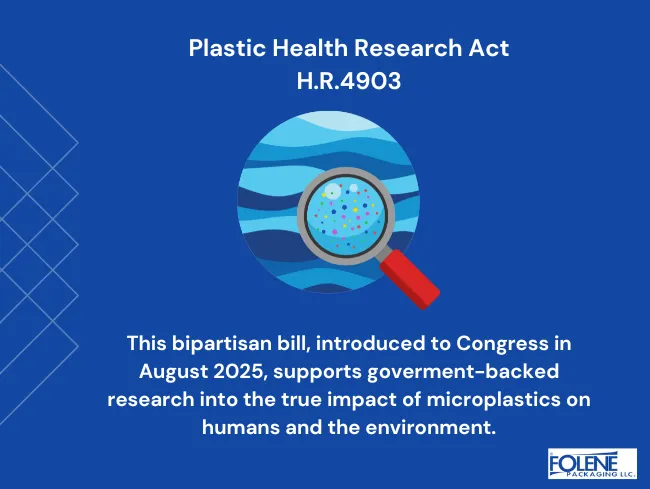
Recognizing the need for more comprehensive data on the health impacts of microplastics, a bipartisan bill was introduced to Congress in August 2025 to fund national research aimed at understanding the true effects of microplastics on human health and the environment. This legislation seeks to provide researchers with the necessary resources to deliver clear scientific insights, enabling informed decisions by both policymakers and the public.
Public Awareness and Education
Public awareness and education are essential components in the fight against microplastic pollution, empowering individuals to make meaningful changes in their daily habits and fostering a culture of sustainability. Governments and industries also bear significant responsibility in this effort by implementing policies and practices that encourage waste reduction and environmental stewardship. The creation and dissemination of educational programs and materials further enhance understanding of the impacts of microplastic pollution, motivating behavior change across communities. Additionally, leveraging social media and various communication platforms can amplify these messages, reaching wider audiences and promoting collective action to address this pressing environmental issue.
Technological Innovations
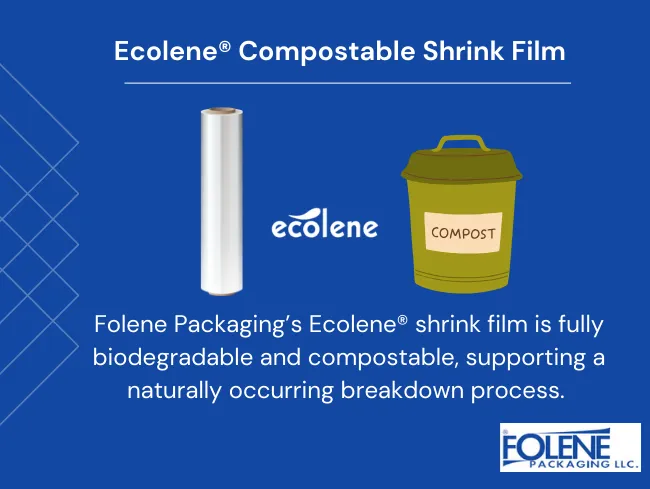
Technological innovations play a crucial role in reducing microplastic pollution by fostering the development of biodegradable plastics and microplastic-capturing systems. Folene Packaging’s uniquely crafted Ecolene® line of eco-friendly shrink packaging films. Our biodegradable film utilizes the biofilm to break down completely into humus, leaving no dangerous trace plastics behind. This completely natural process promotes sustainability and waste reduction, while advancing viable sustainable practices.
Economic Implications
The economic implications of microplastic pollution are considerable, encompassing substantial costs associated with cleanup efforts and the promotion of sustainability. However, addressing these challenges also presents economic opportunities, including the creation of new jobs and the stimulation of economic growth through the development of innovative technologies and solutions. The adoption of biodegradable plastics and other sustainable materials not only reduces waste but also enhances resource efficiency, contributing to economic benefits. Furthermore, implementing policies and practices aimed at sustainability and waste reduction can lower waste management expenses and foster more efficient use of resources, ultimately supporting both environmental and economic well-being.
Conclusion
Microplastic pollution is a significant environmental concern that demands immediate attention and action. Although research into the effects of microplastic pollution on human health and the environment is ongoing, it is evident that reducing this pollution is crucial for safeguarding ecosystems and promoting public health. Efforts to combat microplastic pollution require the combined involvement of individuals, governments, and industries, each making changes to daily practices and advocating for sustainability. Additionally, the advancement of new technologies and innovative solutions plays a vital role in mitigating microplastic pollution and fostering a healthier environment for current and future generations.