State EPR Packaging Laws Coming into Effect July 2025: Impact and Compliance Strategies
Introduction to Extended Producer Responsibility
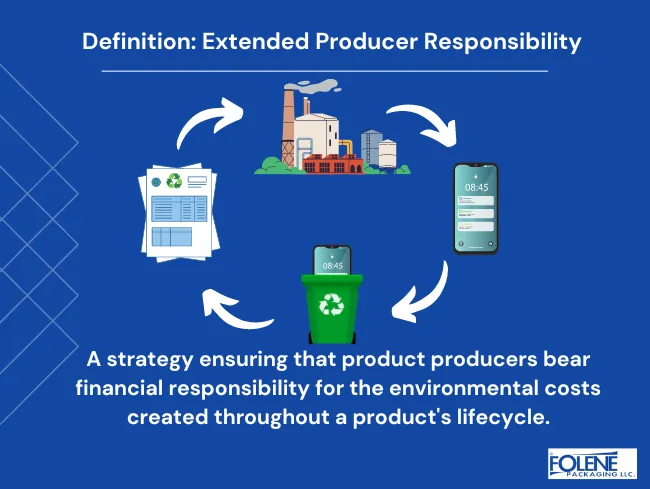
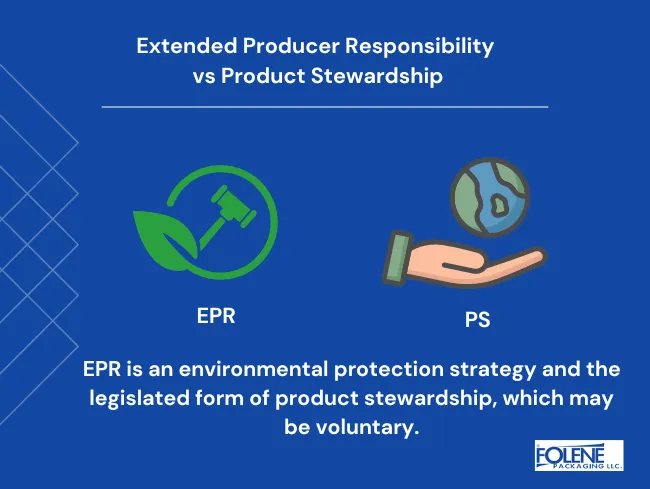
Extended Producer Responsibility (EPR) is a policy that makes producers responsible for the entire lifecycle of their products, including packaging waste. The goals of EPR laws are to reduce packaging waste, increase recycling rates, and promote sustainable packaging practices. EPR packaging laws have already been passed in the European Union, and are starting to gain traction in the United States. Several US states in particular have EPR packaging policies coming into effect in July 2025. Folene Packaging’s experts explore the new EPR regulations and what they mean for companies affected by the legislation.
Overview of EPR Laws and Regulations
Although specific EPR laws vary by state, most states that have EPR legislation require producers to join a Producer Responsibility Organization (PRO) and report packaging data to the public. They need to provide information about their packaging, including the type of material used and the amount of waste generated. EPR laws cover various types of packaging, including plastic packaging, paper products, and food service ware.
Producers must pay fees based on the amount and type of packaging they produce, which are used to fund waste management infrastructure and recycling programs.
State-Specific EPR Packaging Laws
Seven states, including California, Oregon, Colorado, Maine, Minnesota, Maryland, and most recently, Washington, have already passed EPR laws, each with its own set of regulations and requirements. Some EPR programs are already active, while others are still coming into effect.
Oregon EPR Laws
Legislation: Plastic Pollution and Recycling Modernization Act
Oregon EPR Program begins implementation on July 1, 2025
Applies to residential and commercial packaging, printing and writing paper, and food serviceware producers
Requires producers to register with a PRO (CAA Oregon is the single approved PRO)
Producers were required to report on packaging data by March 31, 2025
Producers will have to pay fees to support recycling programs and waste management infrastructure as part of the EPR program. Fees are still to be determined.

Washington EPR Laws
Legislation: Recycling Reform Act, signed in May 2025.
Applies to most kinds of paper and plastic packaging, with exclusions for certain food and medical packaging. Also establishes a statewide recycling collection list and calls for increasing curbside recycling services.
A Recycling Needs Assessment is due from the Department of Ecology by the end of 2026.
Producers will have to reimburse 50% recycling costs by Feb. 15, 2030, 75% by Feb. 15, 2031, and 90% by Feb. 15, 2032.
California EPR Laws
Legislation: Plastic Pollution Prevention and Packaging Producer Responsibility Act (SB54)
California’s EPR Program is expected to start implementation in 2027
Applies to residential and commercial single-use packaging and plastic single-use food service ware producers
Requires producers to register with a PRO (CAA California is the single approved PRO)
Producers will have to pay fees to support end of life management of those materials, which includes processing and recycling.
The PRO must remit $500 million to the state each year from 2027 to 2037 to be placed in the California Plastic Pollution Mitigation Fund.
Maine EPR Legislation
Legislation: Maine’s LD 1541
Maine’s EPR Program is expected to start implementation in 2026
Will apply to producers of consumer packaging materials
Requires producers to register either as an individual company or with an SO (Stewardship Organization, alternative language for PRO)
Producers will have to manage the waste materials on their own if registered individually, or else pay fees to the SO to support municipalities’ waste material management.
Colorado EPR Legislation
Legislation: Producer Responsibility Program
Colorado’s EPR Program is expected to start implementation in 2026
Will apply to producers of packaging and paper products
Requires producers to register with a PRO
Producers will have to pay fees to the PRO to support waste management efforts, including collecting, processing, recycling, and composting
Maryland EPR Legislation
Legislation: Environment – Statewide Recycling Needs Assessment and Producer Responsibility for Packaging Materials Act
Maryland’s Department of the Environment reported its Needs Assesment to the governor in January 2025, providing the framework for an EPR program, but no requirements or deadlines have yet been released.
According to current legislation, joining a PRO and reporting packaging data is optional and not required by law.
Minnesota EPR Legislation
Legislation: Packaging Waste and Cost Reduction Act
Minnesota’s EPR Program starts implementation on July 1, 2025
Applies to producers of packaging, food packaging, and paper products
Requires producers to register with the appointed PRO by July 1, 2025.
Producers will have to partially fund covered waste materials’ end-of-life management, including recycling.
States like Rhode Island and New York are also considering EPR legislation, indicating a growing trend towards extended producer responsibility. EPR packaging laws are expected to continue gaining government and popular support as they strive towards a more sustainable future.
EPR Program Development and Implementation
EPR programs are typically developed and implemented by Producer Responsibility Organizations (PROs). The PROs submit their plans for review by relevant state govermental bodies, and once approved, open registration for covered producers. PROs, such as the Circular Action Alliance, work closely with producers to collect packaging data, verify data accuracy, and ensure compliance with EPR regulations. When the EPR program is underway, the PRO will collect fees from producers and use them to fund recycling programs and waste management infrastructure.
Benefits of EPR Initiatives
EPR initiatives can help reduce packaging waste, increase recycling rates, and promote sustainable packaging practices.
By making producers responsible for the waste generated by their products, EPR laws can encourage companies to design more sustainable packaging and reduce waste.
EPR programs can also help to increase the use of recyclable materials, reduce greenhouse gas emissions, and promote a more circular economy.
EPR initiatives can also help to save taxpayer money by reducing the cost of waste management and recycling.
The benefits of EPR initiatives can already be seen in the European Union, where EPR laws have been in place for several years. There, they have seen significant waste reduction and increased recycling rates, which are results we hope to see mirrored in the US as well.
Compliance Strategies for Manufacturers
Manufacturers must comply with EPR laws by registering with a Producer Responsibility Organization (PRO), reporting packaging data, and paying the required fees. Collaborating with PROs can help companies ensure adherence to EPR regulations while developing effective strategies to reduce waste and enhance recycling efforts. Additionally, manufacturers can support compliance by implementing internal sustainability initiatives, such as designing more eco-friendly packaging and minimizing waste generation.
Ongoing monitoring, reporting, and regular audits are essential to maintain accuracy and transparency in compliance. Furthermore, joining industry associations and engaging in public education and outreach initiatives can promote recycling awareness and contribute to waste reduction efforts.
To support your compliance journey, contact Folene Packaging today to learn more about our Ecolene® sustainable packaging films. Our innovative solutions can potentially help you meet packaging EPR legislation requirements while advancing your sustainability goals.